
If you’ve been experiencing dizziness, vertigo, balance problems, lightheadedness, ear pressure, tinnitus, or unexplained motion sensitivity, your provider may recommend a Videonystagmography (VNG) test. This non-invasive, widely used diagnostic tool helps evaluate how well your inner ear and eye-movement systems are working together (these two areas play a major role in stability and spatial orientation).
A Comprehensive Guide to the Videonystagmography (VNG) Test
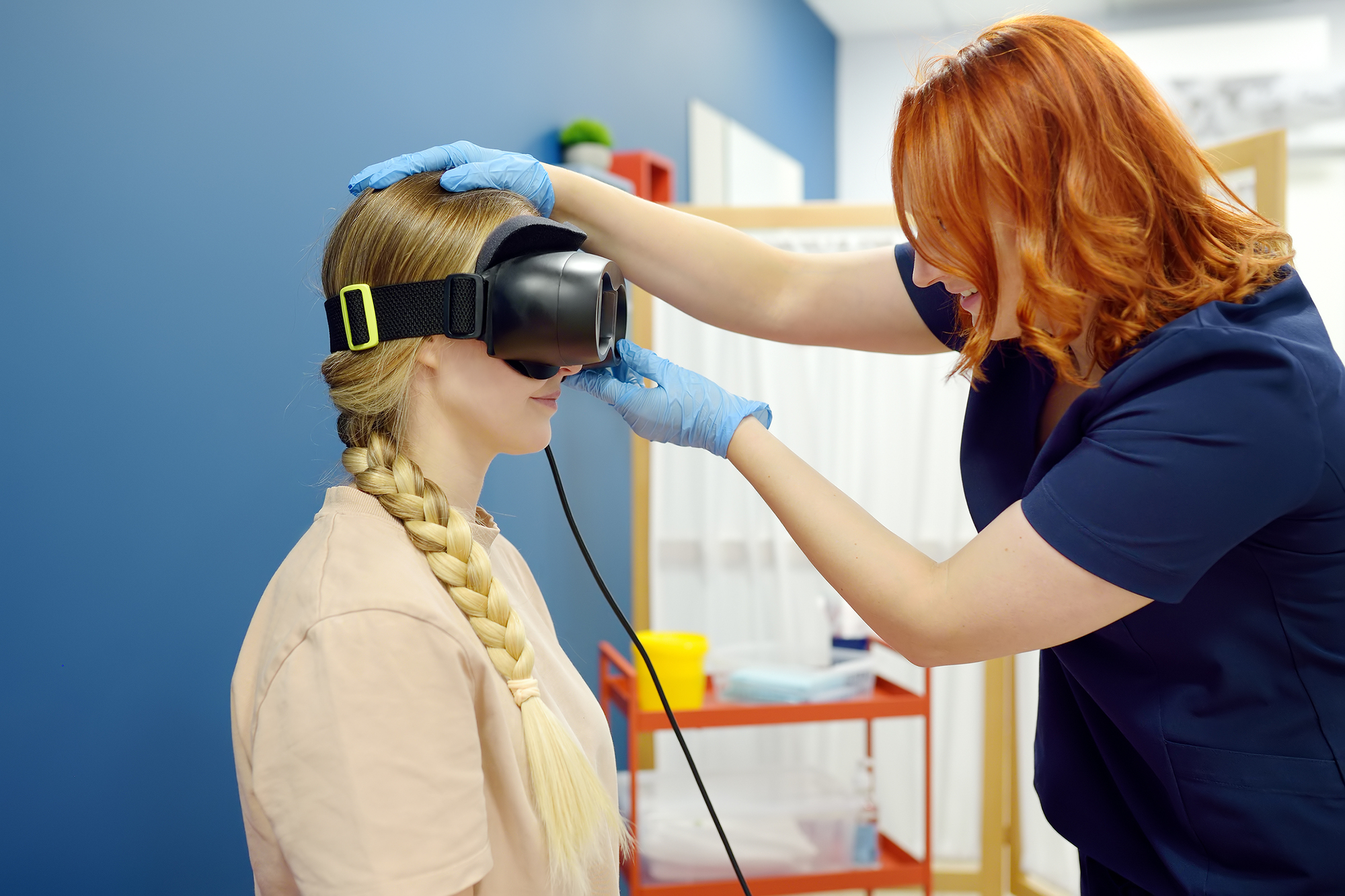

The VNG test records your eye movements while you follow visual cues, change head position, or experience gentle temperature changes in your ear canals. Because the eyes automatically respond to signals from the balance system, tracking these movements can provide valuable insights into what may be causing your symptoms.
This guide walks you through what a VNG test is, what it can help diagnose, what happens during the appointment, and what next steps to consider — especially if your symptoms continue even when your VNG results are normal.
What Is a VNG Test?
A Videonystagmography (VNG) test is a diagnostic evaluation that uses infrared video goggles to record your eye movements during a series of simple tasks, such as shifting your gaze between two points or having both warm and cool water gently pushed into each ear. The goal is to assess how your inner ear (vestibular system) and the parts of your brain involved in balance and coordination are functioning.
Your eyes and inner ears work as a team. When one system isn’t working properly, the other overcompensates, often leading to symptoms like dizziness, nausea, difficulty focusing, or feeling “off balance.” By analyzing how your eyes respond to different motions and visual stimuli, clinicians can identify whether a vestibular issue may be contributing to your symptoms.
Why This Matters for Dizziness and Vertigo
The vestibular system keeps your vision clear and stable during movement. It also helps you understand where you are in space, whether you’re standing still, turning your head, or moving through a busy environment. When this system sends inaccurate or delayed signals, the brain receives conflicting information, which can often result in vertigo, motion sensitivity, or unsteadiness.
Frequent dizziness and vertigo can have a significant impact on your life. Feeling like the world is spinning around you or the ground is moving under your feet can make doing even the simplest tasks a challenge.
What can this look like in real life?
Imagine walking down a grocery store aisle and suddenly feeling like the shelves are shifting or the floor is tilting beneath you. Perhaps daily car rides have started making you extra nauseous or even dizzy, and that’s never been your “normal.” For many people, this isn’t just stress or anxiety. It can be the result of a vestibular imbalance and is worth getting evaluated by a trusted provider.
With a VNG test, you may be able to discover the cause of your symptoms, which will allow you to get the treatment you need to experience relief. Read on to find out if it’s right for you.
Curious if you have Binocular Vision Dysfunction? Take the assessment to get your score and get relief.
What a VNG Test Helps Diagnose

A VNG test helps clinicians evaluate multiple causes of dizziness and vertigo. Below are some of the most common conditions it can help identify or rule out:
Nystagmus and Abnormal Eye Movements
Nystagmus, also called “dancing eyes,” is the involuntary movement of your eyes. They may move rapidly or slowly, up and down, side to side, or even around in a circular pattern. These repetitive, uncontrolled movements may occur spontaneously or during certain visual or positional tasks.
A nystagmus diagnosis can have many causes, such as:
- Intoxication
- Motion sickness
- Genetics
- Head injuries
- Multiple sclerosis (MS)
- Stroke
- Certain types of medications, such as those for seizures
- Inner ear balance issues
Symptoms generally include:
- Uncontrolled movement of one or both eyes
- Nausea
- Lightheadedness
- Dizziness
- Difficulty concentrating
- Difficulty reading
- Head tilting
Treatment for nystagmus depends on the cause. Those born with it may benefit from glasses or contact lenses that provide clearer vision, which helps to slow down eye movements. Individuals who developed the condition due to another issue may find that nystagmus clears up once the underlying cause is treated.
Vestibular Disorders (Peripheral and Central)
Your vestibular system, located in your inner ear, plays a critical role in your movement and balance. A vestibular disorder is any condition that affects proper inner ear function. Like nystagmus, vestibular disorders can have many causes, such as:
- Poor circulation in the inner ear
- Infections (viral or bacterial)
- Autoimmune issues
- Calcium deposits in your semicircular canals
- Traumatic brain injuries (TBIs)
Common symptoms of a vestibular disorder include:
- Dizziness
- Vertigo
- Disorientation
- Feeling off-balance
- A lack of coordination
- Blurry vision
One of the key strengths of VNG testing is its ability to help distinguish between peripheral vestibular disorders (inner ear–related) and central causes (brain or neurological origins). This distinction is essential for proper treatment and long-term symptom relief.
Treatments for vestibular disorders depend on the root cause. They may include diet and lifestyle changes, medications, and a form of physical therapy called vestibular therapy (VRT).
For readers wanting more context about how vestibular symptoms and visual strain intersect, explore our page on eye strain and vertigo details.
Cybersickness and Motion Sensitivity
Cybersickness is similar to motion sickness, except that it occurs when you aren’t moving. Instead, the condition gets triggered when using electronic devices: your phone, your laptop, or multiple screens at once. It may also happen during a virtual meeting as someone else controls what’s happening on your computer screen.
Symptoms include:
- Dizziness or balance problems
- Headaches
- Eye strain
- Nausea
If scrolling on your phone, riding in a car, watching fast-moving videos, or using virtual reality triggers dizziness or nausea, VNG testing can help identify whether the root cause is:
- A vestibular mismatch
- Difficulty stabilizing your gaze
- A visual-processing imbalance
- Sensory conflict between your eyes and inner ears
These results help determine whether symptoms stem primarily from the vestibular system or may be related to visual alignment issues that require a different type of testing.
Cybersickness treatment options include reducing screen time, taking frequent screen breaks, slowing how quickly you scroll, and wearing specialized microprism glasses. Medications that combat motion sickness may also help if you can’t avoid situations that trigger these symptoms.
Convergence Insufficiency and Visual Tracking Problems
Your eyes are supposed to come together when looking at objects up close. Working as a team, they should make a series of adjustments to form a single image. Convergence insufficiency occurs when the two eyes have difficulty coming together (or converging) to look at nearby objects, resulting in blurred or double vision.
Other symptoms include:
- Headaches
- Eye soreness
- Difficulty concentrating
Treatments include vision therapy and microprism glasses.
If your test shows problems with smooth tracking, quick eye movements, or visual fixation, your provider may:
- Diagnose a convergence insufficiency
- Identify a possible Binocular Vision Disorder (BVD) related eye misalignment
- Recommend more detailed vision testing to fine-tune the diagnosis and treatment
In this way, VNG does more than confirm or rule out inner ear problems. It also helps uncover when eye teaming and focusing issues are likely contributing to your dizziness or motion sensitivity.
Meniere’s Disease
Meniere’s disease is an inner ear disorder that typically only affects one ear. It causes vertigo, tinnitus (a ringing or buzzing sensation in the ear), pressure or fullness in the affected ear, and hearing loss. You may also feel as though your ear is constantly clogged or blocked.
Other symptoms may include:
- Dizzy spells
- Balance issues
- Fatigue shortly after an attack
- Headaches
There is no cure, but you can manage the symptoms with treatments such as motion sickness medications and reducing your sodium intake. In some cases, surgery can also help.
Labyrinthitis and Vestibular Neuritis
Labyrinthitis is an inflammation of the inner ear’s labyrinth, or balance center (a tiny maze of fluid-filled canals that helps your brain sense motion and maintain stability). This condition usually develops as a result of an infection or swelling in the inner ear. When this happens, you may experience:
- Severe vertigo and balance issues
- Dizziness
- Imbalance
- Nausea and vomiting
- Hearing loss or tinnitus
For some people, the condition may go away on its own. Those with an infection may need antibiotics.
Vestibular neuritis is an inflammation of the inner ear, often triggered by a virus, that affects the nerve responsible for balance. Symptoms usually come on suddenly and can include intense vertigo, dizziness, nausea, and trouble walking or standing steadily. Unlike labyrinthitis and other inflammatory inner ear conditions, vestibular neuritis typically doesn’t cause hearing loss.
While many people improve over time, treatment may include medication to ease symptoms and vestibular rehabilitation therapy to help the brain adapt and restore balance.
Many of our NeuroVisual patients have experienced similar symptoms. Read their stories to see how they found real answers and life-changing relief through the right evaluation and care.
When Symptoms Don’t Fit a Single Diagnosis

Sometimes motion sensitivity, imbalance, headaches, and dizziness don’t point clearly to one single condition. It’s common for patients to have symptoms that overlap multiple systems, including vestibular, neurological, visual, or even musculoskeletal.
VNG findings help identify or rule out many inner ear causes, but they don’t always tell the whole story. If symptoms persist or don’t seem to align with your test results, the next step may involve looking at other contributors, including eye alignment, visual strain, or the ways your body adjusts to remain steady.
VNG Testing Details: How It Works

You take a VNG test in a dark room while wearing lightweight goggles equipped with infrared cameras. These record your eye movements while you complete a series of tasks designed to gently challenge the balance system.
The test is safe, noninvasive, and does not involve needles or medication. Some people feel temporary dizziness during certain parts, but technicians guide you through each step to keep you comfortable.
The Main Components of a VNG Exam
Your VNG exam consists of three different parts:
- Ocular testing: A technician assesses your ability to follow visual targets with your eyes.
- Positional testing: The technician moves your head and body into different positions to check for inappropriate eye movements, which is a sign of nystagmus.
- Caloric testing: The technician blows alternating warm and cool air—or water—into your ear. Again, this tests for nystagmus. It can also help determine if there’s damage to the nerves in one or both of your inner ears.
What You May Feel During the Test
It’s normal to feel mild dizziness, warmth, coolness, or brief disorientation during certain parts of the exam. These sensations fade quickly, and the team monitors you closely to ensure your safety and comfort.
Understanding Your Results
After completing the VNG evaluation, a specialist will review the results to identify any abnormal eye movements or issues with your vestibular system. They will analyze each part of the test — ocular, positional, and caloric — to determine if there’s evidence of nystagmus, a vestibular disorder, or another underlying condition. The results will indicate if your symptoms are likely due to an inner ear disorder, a central nervous system issue, or another possible cause.
What If My Symptoms Persist Despite a Normal VNG Test Result?
Persistent symptoms despite normal VNG test results are more common than people realize.
Some patients continue experiencing dizziness, vertigo, motion sensitivity, headaches, or visual discomfort even when their VNG results appear normal. In these cases, the underlying issue may not be related to vestibular dysfunction. Instead, it may be related to how the eyes work together.
Binocular Vision Dysfunction (BVD) occurs when the eyes are slightly misaligned, causing the brain to work overtime to create a single, unified image. This condition can mimic vestibular symptoms and is often missed on standard exams, including VNG and vestibular disorder tests.
To learn more about this possibility, explore our BVD guide for information on symptoms, causes, and effective treatments.
Next Steps and Follow-Up
Once your results become available, your healthcare provider will discuss them with you in detail. If the VNG test shows signs of a vestibular disorder or another balance-related issue, your provider may recommend additional tests or referrals to specialists, such as an otolaryngologist/ENT (ear, nose, and throat) doctor or a neurologist. They may also suggest specific treatments, such as:
- Vestibular Therapy (VRT): A form of physical therapy that focuses on improving balance and reducing dizziness by retraining the brain to better process signals from the inner ear, eyes, and muscles.
- Medication: Medications to manage symptoms like dizziness, vertigo, or nausea.
- Lifestyle Changes: Dietary modifications, stress management, and other lifestyle adjustments that may help reduce symptoms.
Your provider will work with you to develop a personalized plan that addresses your specific symptoms and improves your quality of life.
Common Questions About the VNG Test
Persistent dizziness, vertigo, imbalance, motion sensitivity, nausea, visual discomfort, or difficulty focusing may indicate that a VNG exam could be helpful.
A videonystagmography test diagnoses balance and inner ear disorders by assessing eye movements, specifically looking for nystagmus. It helps identify vestibular disorders, including labyrinthitis and Meniere’s disease, as well as other conditions that affect balance and coordination. A VNG exam can also assist in uncovering conditions like cybersickness and convergence insufficiency.
Yes, a VNG test can help detect Meniere’s disease. The test may show abnormal eye movements or other vestibular irregularities common in patients with Meniere’s disease. While VNG alone cannot confirm Meniere’s, it can provide essential clues that, along with other assessments, contribute to a diagnosis.
Preparation for a VNG test includes:
- Avoiding Medications: Refrain from taking certain medications (such as antihistamines, tranquilizers, or sleeping aids) at least 48 hours before the test, as they can affect results.
- Limiting Caffeine and Alcohol: Refrain from consuming caffeine or alcohol for 24 hours before the test.
- Fasting: Avoid eating or drinking anything for a few hours prior to the test.
- Dressing Comfortably: Wear comfortable clothing, as the test involves head and body movement.
While a VNG exam cannot directly diagnose MS, it can reveal signs of central nervous system dysfunction, which may prompt further neurological evaluation. Abnormal VNG results in conjunction with other symptoms could indicate a need for further tests, like MRI scans, which are more definitive for diagnosing MS.
A typical VNG test takes about 60 to 90 minutes to complete, depending on how many parts of the test are performed.
In short, no, a VNG test isn’t painful, though it can cause minor discomfort in some patients. The exam is relatively straightforward and usually takes about an hour to complete. You may need to make some preparations before the day of your test.
For instance, you may need to stop taking certain medications or avoid alcohol and caffeine for at least 24 to 48 hours. If you typically wear contacts, you’ll want to wear your glasses to your appointment. You’ll receive more specific instructions when you schedule your VNG test.
Most people feel fine after the test, though some may experience mild dizziness or nausea for a short time. These symptoms typically resolve within a few hours.
The VNG test is highly effective in diagnosing vestibular disorders and nystagmus. However, if your symptoms are caused by other conditions, additional tests may be needed for an accurate diagnosis.
It is recommended to bring someone with you to the test, as some patients may feel disoriented or dizzy afterward, making it unsafe to drive.
Most health insurance plans cover diagnostic tests like VNG, but it’s always a good idea to check with your provider to confirm coverage and any potential out-of-pocket costs before scheduling an appointment.
While a VNG exam can identify nystagmus or vestibular issues, it doesn’t always explain every case of dizziness or imbalance. Sometimes the root cause is BVD: a subtle eye-alignment issue that makes it hard for the brain to blend the two images from your eyes into one clear picture.
If your VNG results are normal but your symptoms persist, additional vision-focused testing may be the key. The specialists at NeuroVisual Medicine can help uncover whether eye-alignment issues are contributing to your dizziness, vertigo, or balance problems, and guide you toward lasting relief.
Curious if you have Binocular Vision Dysfunction?
Take the assessment to get your score and get relief.
Learn moreReceive Life-Changing Care with NeuroVisual Medicine
You deserve to understand why you’re feeling dizzy, off balance, or uncomfortable in response to motion. These symptoms aren’t “just in your head,” and they’re not a normal part of daily life.
If you’ve already undergone VNG testing or other vestibular evaluations but still haven’t found relief, NeuroVisual Medicine can help you take the next step.
While we don’t perform VNG testing ourselves, we specialize in advanced visual-alignment evaluations that often reveal contributing visual factors missed in vestibular-only workups. Our team takes the time to explain how prior test results may connect to your symptoms—and whether targeted neurovisual treatment could help you move forward.
Whether your dizziness is rooted in the inner ear, visual misalignment, or a combination of factors, we’ll help you understand your options and find a clear path toward lasting relief. If you still feel “off,” even after previous testing, we’re here to guide your next step with clarity and care.
For more information or to schedule an appointment, contact NeuroVisual Medicine today.
