
If your vision feels shaky, bouncing, vibrating, or unstable during movement, you may be experiencing oscillopsia. Many patients describe the sensation as the environment “moving” or “jumping” while walking, turning their head, driving, or reading.
Oscillopsia Test: How Doctors Evaluate Shaky Vision

An oscillopsia test helps clinicians evaluate whether these symptoms may be related to:
- Vestibular dysfunction
- Impaired vestibulo-ocular reflex (VOR)
- Neurological conditions
- Nystagmus or abnormal eye movements
- Visual coordination disorders affecting gaze stability
Oscillopsia can significantly impact daily activities, particularly tasks requiring stable vision during movement. In this guide, we’ll cover what oscillopsia is, common conditions, how doctors test for oscillopsia, and what your next steps are.
What Is Oscillopsia?
Oscillopsia is a visual symptom in which stationary objects appear to move, shake, vibrate, or bounce. Patients commonly describe these symptoms:
- Shaky vision while walking
- Blurred vision during head movement
- Difficulty stabilizing visual elements
- Motion sickness or light sensitivity
- Swaying sensations or balance disturbance
- Difficulty reading signs while moving
- Dizziness in visually busy environments
Oscillopsia typically occurs when the systems responsible for balance and eye movement coordination are disrupted. The symptom is most commonly associated with dysfunction involving the vestibulo-ocular reflex (VOR), vestibular pathways of the inner ear, eye movement coordination systems, and neurological pathways involved in gaze stabilization.
Research published by the Natural Library of Medicine demonstrated that patients with impaired compensatory eye movements may experience oscillopsia due to retinal slip during head movement.
Why This Matters for Shaky Vision and Motion Sensitivity
Oscillopsia can make everyday activities like walking, driving, and reading significantly more difficult by causing vision to appear unstable during movement.
Because these symptoms are commonly associated with vestibular, neurological, and ocular motor disorders, accurate testing is important for identifying potential contributing factors and guiding appropriate care.
Many of our NeuroVisual patients have experienced similar symptoms. Read their stories to see how they found real answers and life-changing relief through the right evaluation and care.
What Can Cause Oscillopsia?
Oscillopsia is usually associated with an underlying vestibular, neurological, or ocular motor condition.
Vestibular Disorders
Common vestibular causes include:
- Bilateral vestibular hypofunction
- Vestibular neuritis
- Labyrinthitis
- Ménière’s disease
These conditions may impair the vestibulo-ocular reflex, reducing the brain’s ability to stabilize vision during head movement.
Neurological Conditions
Oscillopsia may also occur alongside certain neurological disorders, such as:
- Multiple sclerosis (MS)
- Stroke
- Cerebellar disorders
- Traumatic brain injury
- Brainstem dysfunction
Nystagmus and Eye Movement Disorders
Oscillopsia is may be associated with:
- Nystagmus
- Ocular motor instability
- Diplopia or double vision
- Impaired visual fixation
How Do You Test for Oscillopsia?
Several clinical tests may be used to evaluate oscillopsia symptoms and determine whether vestibular or visual systems are functioning properly.
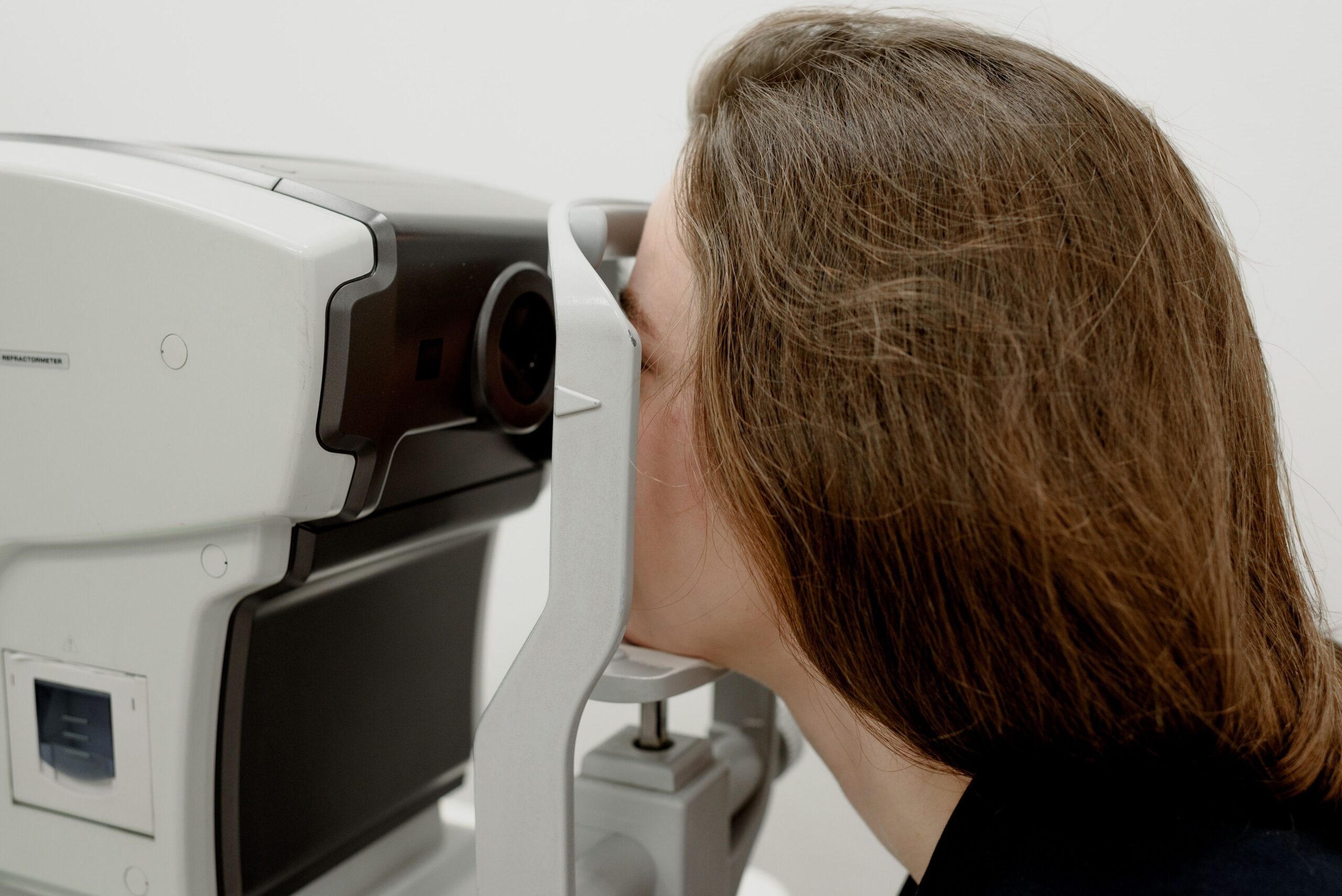
Because oscillopsia can be associated with vestibular, neurological, and ocular motor conditions, clinicians may use different tests depending on the patient’s symptoms and medical history.
Some evaluations focus on balance and vestibular function, while others assess eye movement coordination and visual stability during motion.
Dynamic Visual Acuity (DVA) Testing
Dynamic Visual Acuity testing compares how clearly a person sees:
- While the head is still
- While the head is moving
A decline in visual clarity during movement may suggest impaired vestibulo-ocular reflex function and reduced gaze stabilization.
DVA testing is widely used in vestibular assessment because the VOR plays a critical role in maintaining stable vision during movement.
Functional Head Impulse Test (fHIT)
The functional Head Impulse Test (fHIT) evaluates how effectively the vestibulo-ocular reflex stabilizes vision during rapid head movement.
During the test:
- A clinician performs passive head impulses
- Visual targets briefly appear on a screen
- The patient identifies the target while the head is moving
A 2019 study involving patients with bilateral vestibulopathy found:
- 78% demonstrated abnormal fHIT results
- fHIT outcomes correlated with oscillopsia severity
- More patients completed fHIT compared to treadmill-based testing
Videonystagmography (VNG)
A Videonystagmography (VNG) test uses infrared goggles to evaluate eye movements and vestibular function. VNG testing may help identify:
- Nystagmus
- Vestibular dysfunction
- Central neurological abnormalities
- Eye movement coordination issues
The evaluation commonly includes:
- Ocular tracking assessment
- Positional testing
- Caloric stimulation testing
- Visual fixation analysis
Vestibulo-Ocular Reflex (VOR) Evaluation
The vestibulo-ocular reflex stabilizes vision during head movement by coordinating eye movements opposite the direction of head motion.
When VOR function is impaired:
- Images may slip across the retina.
- Vision may appear unstable.
- Patients may experience oscillopsia symptoms.
Research has shown that retinal slip during head oscillation contributes significantly to oscillopsia perception.
Oscillopsia Test at Home
Note: An oscillopsia test at home cannot diagnose the condition.
However, it may help determine whether further evaluation is appropriate.
Simple At-Home Oscillopsia Screening
Step 1
Focus on a small stationary object or letter on a wall.
Step 2
Maintain visual fixation on the target.
Step 3
Move your head side to side at a comfortable speed for approximately 10–15 seconds.
Step 4
Observe whether the target appears blurry, the image vibrates or bounces, symptoms worsen, or vision becomes unstable.
These findings may suggest impaired gaze stabilization or vestibular dysfunction, but further testing by a licensed professional will need to be performed before a diagnosis is made.
Important Limitations of At-Home Testing
Home screening cannot determine the exact cause of symptoms. Comprehensive evaluation may involve vestibular testing, neurological assessment, eye movement analysis, or specialized binocular vision testing. Oscillopsia-like symptoms may also occur with:
- Vestibular disorders
- Vestibular migraine
- Concussion
- Neurological disease
- Ocular motor dysfunction
- Binocular vision disorders
Some patients with persistent symptoms may also explore additional at-home screening tools related to eye alignment and binocular vision like the cover test.
When Specialized Binocular Vision Testing May Also Help
While oscillopsia is most commonly associated with vestibular or neurological dysfunction, some patients with persistent visual instability may also benefit from specialized binocular vision evaluation. Subtle vertical or horizontal eye misalignment can contribute to symptoms such as:
- Motion sensitivity
- Difficulty maintaining visual focus
- Dizziness in visually busy environments
- Diplopia or double vision
- Eye strain
- Visual discomfort during movement
Some patients continue experiencing dizziness or visual instability despite normal vestibular testing results. In these cases, clinicians may consider whether binocular vision dysfunction or ocular coordination issues are contributing factors.
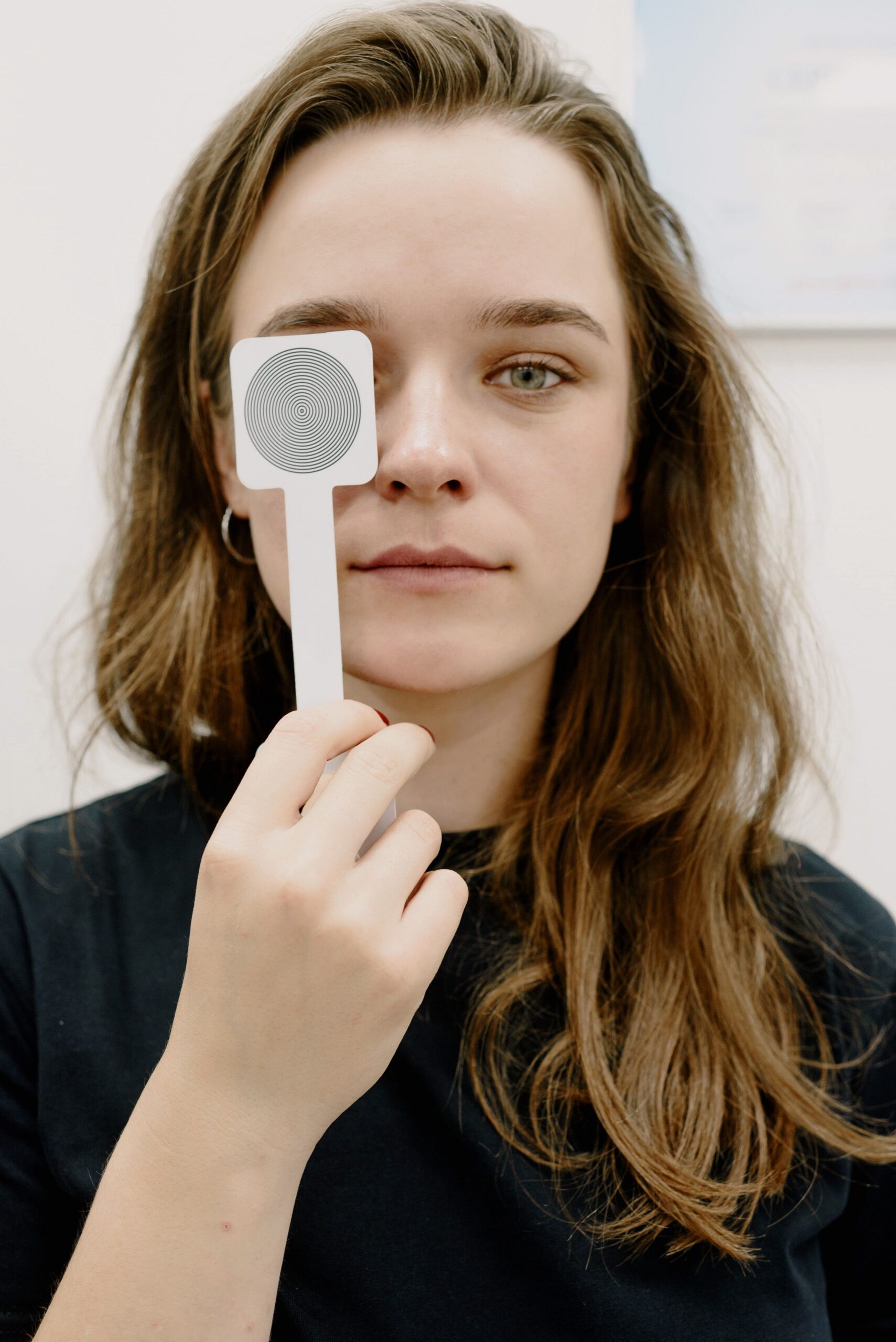
The NeuroVisual Medicine approach uses specialized testing to evaluate how the eyes work together during visual tasks and movement. Assessment is individualized and may include evaluation for subtle vertical or horizontal eye misalignment that can remain undetected during standard eye exams.
Curious if you have Binocular Vision Dysfunction?
Take the BVD test to get your score and get relief.
Learn more
What Doctor Tests for Oscillopsia?
Depending on symptoms and suspected causes, evaluation may involve:
- Neuro-optometrists
- Neuro-ophthalmologists
- Neurologists
- ENT specialists / neurotologists
- Vestibular rehabilitation specialists
Some patients may require both vestibular and binocular vision evaluation to fully assess contributing factors.
Can Oscillopsia Be Treated?
Treatment depends on the underlying diagnosis. Possible treatment approaches include:
Vestibular Rehabilitation Therapy
Vestibular therapy may improve gaze stabilization and reduce motion sensitivity through targeted exercises.
Vision Therapy and NeuroVisual Rehabilitation
Some patients with ocular coordination disorders or binocular vision dysfunction may benefit from individualized neurovisual rehabilitation designed to improve visual coordination and comfort during movement.
Therapeutic Microprism Lenses
The NeuroVisual Medicine approach may include therapeutic microprism lenses tailored to the individual’s specific eye misalignment findings.
Treatment effects may be noticed relatively quickly in some patients, with additional improvement occurring over time through individualized treatment and adaptation.
Medical Management
Certain medications may help manage:
- Vestibular disorders
- Nystagmus
- Vestibular migraine
- Neurological conditions contributing to oscillopsia
Frequently Asked Questions About Oscillopsia Tests
1. How do I know if I have oscillopsia?
Common symptoms include:
- Shaky vision
- Difficulty stabilizing visual targets
- Motion sensitivity
- Blurred vision while walking
- Visual instability during head movement
2. How do doctors test for oscillopsia?
Doctors may use:
- Dynamic visual acuity testing
- Functional Head Impulse Testing (fHIT)
- Videonystagmography (VNG)
- Vestibulo-ocular reflex testing
- Specialized eye movement evaluations
3. Can I perform an oscillopsia test at home?
A simple home screening may help identify symptoms, but formal diagnosis requires professional evaluation and specialized testing.
4. Is oscillopsia associated with double vision?
Yes. Oscillopsia may occur alongside ocular motor instability, nystagmus, and diplopia or double vision.
5. Can binocular vision problems contribute to symptoms similar to oscillopsia?
Some patients with binocular vision dysfunction may experience visual instability, dizziness, motion sensitivity, or difficulty maintaining focus during movement.
6. What is the vestibulo-ocular reflex (VOR)?
The vestibulo-ocular reflex stabilizes vision during head movement by coordinating eye movements opposite the direction of head motion.
7. Is oscillopsia permanent?
The duration depends on the underlying cause. Some patients improve with vestibular rehabilitation, medical treatment, or neurovisual therapy, while others may continue experiencing symptoms long term.
8. Should I consider binocular vision testing if vestibular tests are normal?
Patients with persistent dizziness, motion sensitivity, headaches, or visual instability despite normal vestibular testing may benefit from additional binocular vision evaluation.
When to Seek Evaluation for Oscillopsia Symptoms
You should seek professional evaluation if you experience:
- Persistent shaky vision
- Difficulty driving or walking
- Motion-triggered dizziness
- Diplopia or double vision
- Balance problems
- Visual instability
- Difficulty focusing during movement
- Symptoms that remain unexplained despite prior testing
Because oscillopsia symptoms can overlap with vestibular, neurological, and binocular vision conditions, accurate diagnosis often requires specialized testing and individualized assessment.
For more information or to schedule an appointment, contact NeuroVisual Medicine today.
References:
