
Eye strain can cause vertigo, particularly when linked to subtle eye misalignment, also known as Binocular Vision Dysfunction (BVD). This misalignment forces eye muscles to constantly realign, leading to dizziness, nausea, headaches, and visual disorientation. Specialized alignment of micro-prism lenses can correct the misalignment and reduce these symptoms.
Vertigo & Eye Strain Symptoms, Causes, & Treatments

An Overview of Vertigo & Eye Strain
Vertigo is characterized by extreme dizziness that individuals experience throughout the day. This sensation may come and go, but some people suffer from it regularly, feeling as if the world around them is spinning and the ground below them is moving nearly all the time.
Many people dealing with headaches and dizziness are told these symptoms are due to vestibular migraines, yet only 1 percent of people in the U.S. have this condition.
Individuals suffering from vertigo symptoms, such as chronic headaches or migraines, intense dizziness, and nausea, may potentially be suffering from a more common condition known as Binocular Vision Dysfunction (BVD).
Impact on Daily Life
Individuals suffering from BVD-related vertigo and eye strain are greatly affected by the discomfort and anxiety their condition adds to their daily lives. They try everything to treat their symptoms, including:
- Taking medications
- Changing their diet
- Increasing the number of hours they sleep
- Eliminating caffeine
- Exercising more as part of their daily routine
- Managing their stress
However, despite their best efforts, many continue to experience all kinds of symptoms related to vertigo. These affect their daily lives. Many struggle to read and keep focus, while others have a hard time at work due to headaches and eye strain from long hours at a computer screen.
While the impact may seem subtle, eye strain and vertigo can greatly affect a person’s life.
Curious if you have Binocular Vision Dysfunction?
Take the assessment to get your score and get relief.
Learn more
BVD & Vertigo
BVD is a condition in which the eyes are slightly misaligned, preventing them from working together to create a clear, unified image. It affects around 20 percent of the U.S. population, which means it is much more likely that BVD might be contributing to your vertigo symptoms.
What is BVD?
Consider the fact that, even though you are looking through two eyes, you see only one image. That’s because your brain is combining the separate images from each eye into a single image. This effect is known as binocular vision.
However, this only works when your eyes are properly aligned. Many individuals are born with, or later develop, a very subtle misalignment between their eyes. Even a tiny misalignment can make it harder for your brain to create a single, clear image.
The result? Vertigo-like symptoms, from dizziness and headaches, to nausea, double vision, and many more.
How BVD Can Cause Vertigo & Eye Strain Symptoms
Those who have BVD experience their eyes transmitting two images to the brain, at slightly different angles or positions. To adjust these images into a single, balanced picture, the brain forces the eye muscles to align.
For a brief time, your eyes realign, but then need rest, so they misalign again. This becomes a continuous cycle of forced realignment and misalignment. This puts strain on the eye muscles and makes your brain perceive movement even when you’re sitting still.
BVD can make you feel as though you have symptoms of vertigo, along with other unpleasant and painful symptoms like eye strain, dizziness, headaches, and nausea.
Eye Strain & Vertigo Symptoms
There are numerous symptoms of vertigo and eye strain caused by BVD. Some may experience a few of these symptoms, while others experience all of them at once. These symptoms are similar to those found in patients diagnosed with visual vertigo or vestibular vertigo.
Common symptoms you may have include:
- Nausea
- Blurred vision
- Unsteadiness
- Disorientation
- Visually induced dizziness
- Sensitivity to light
- Difficulty with balance
- Headaches or migraines
- Pain in the neck, shoulders, or back
- Frequent head tilt
- Motion sickness
- Anxiety
- Reading and learning difficulty
Causes of Vertigo & Eye Strain

There may be cases of individuals who experience visual vertigo, a disorder characterized by dizziness, unsteadiness, and disorientation. These symptoms are triggered by visual stimuli, like busy fabric patterns, crowded environments, or digital screens.
While various external factors may induce visual vertigo, the root cause for many individuals is BVD. As we mentioned previously, this disorder involves a slight difference in position between your eyes, which perpetuates a cycle of realignment and misalignment.
Over time, this causes an eye muscle imbalance, leading to increased eye strain symptoms, like headaches and dizziness, as well as fatigue.
Some causes of BVD that can lead to vertigo and eye strain include:
- Facial asymmetry
- Nerve or eye muscle abnormality
- Refractive errors
- Genetic factors
- Stroke
- Brain injury
- Related neurological conditions
In short, the many different causes of BVD in an individual can also be what’s causing their vertigo symptoms. Eye strain caused by binocular vision dysfunction can also lead to vertigo.
Risk Factors
There are numerous habits and injuries, as well as developing or existing conditions that result in eye strain and vertigo symptoms, as well as BVD. Below, we share the variety of risk factors each condition has:
Eye Strain and Vertigo
Eye strain and vertigo can have a variety of risk factors, such as:
- Binocular vision dysfunction: Misalignments between the eyes force the brain to constantly adjust the eye muscles to keep images aligned.
- Prolonged use of digital devices: Spending more than two hours using computers, tablets, or other digital devices leads to digital eye strain or computer vision syndrome, resulting in eye fatigue that can lead to vertigo.
- Poorly lit or high contrast environments: Dim lighting and environments with stark differences in light, including dark shadows, also cause severe eye strain over extended periods of time.
- Previous head, eye, or brain injuries: Past injuries to the head, eye, or brain can lead to severe differences in your eyes’ alignment, resulting in eye strain and vertigo.
Binocular Vision Dysfunction
Considering how BVD can be a factor in causing vertigo and eye strain symptoms, it’s also important to learn the risk factors for BVD, including:
- Genetics: You have a family history of BVD or other eye misalignment conditions, increasing your risk of developing the disorder.
- Chronic eye strain: Intense use of digital devices or frequent near-focus activities can lead to high eye strain, worsening their misalignment over time.
- Existing eye conditions: Individuals with a history of strabismus (crossed eyes) or amblyopia (lazy eye) are more likely to develop BVD than those without these conditions.
- Age: Changes in how your eye muscles function and general aging contribute to the development of BVD.
Addressing these risk factors early on can help you manage or reduce symptom severity and receive effective treatment.
Curious if you have Binocular Vision Dysfunction?
Take the assessment to get your score and get relief.
Learn moreDiagnostics & Testing
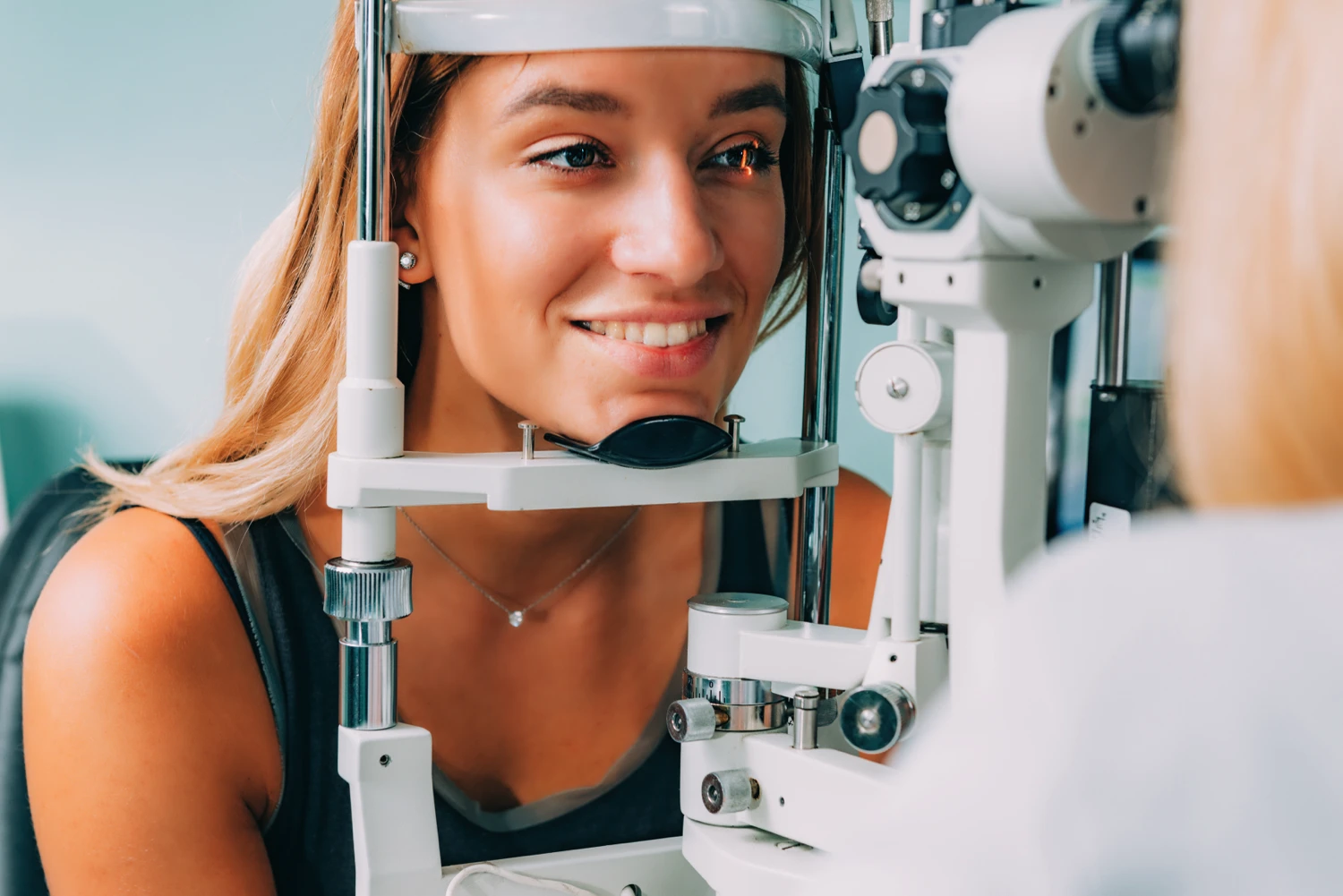
If you experience vertigo and eye strain symptoms but can never find the right solution or treatment for your condition, consider getting examined for binocular vision dysfunction. Eye strain and vertigo relief may always seem so elusive because of how BVD often goes overlooked or misdiagnosed as a different condition.
Finding a NeuroVisual Medicine specialist can help you find vertigo and eye strain relief. From there, we’ll provide you with details about the testing and evaluations you’ll receive. Here’s what you can expect once you begin the process:
1. Our BVDQ™ Assessment
First, you’ll begin by filling out our BVD assessment questionnaire. This test will assess your symptoms, focusing on those common to BVD. Your results will help the specialist you meet with understand your issues and examine initial patterns that may indicate you have BVD.
2. Health History Review
Your specialist will review your medical history, past diagnoses, and treatments to identify other possible causes of your condition.
3. Standard Vision Exam
During an in-person appointment, your specialist will perform a basic refraction test to determine whether your vision needs correction due to nearsightedness, farsightedness, or astigmatism. This is similar to what your optometrist would do, but for your specialist, it is a starting point.
4. Full NeuroVisual™ Diagnostic Testing
At this step, your specialist evaluates your vision beyond the typical eye exam. Our Full NeuroVisual™ Diagnostic Testing involves a thorough series of tests on your binocular vision and visual-motor integration.
They’ll assess your vertical and horizontal alignment, track your eye movements, and assess how your brain adjusts to eye misalignments. These tests include:
- Cover Test: Covering each eye while you focus on a target to determine eye misalignment
- Near Point Convergence: Measuring how well your eyes move inward when seeing a close object
- Saccades and Pursuits: Tracking eye motion between objects and how smoothly your eyes follow them
- Vergence and Accommodation Testing: Evaluating how well your eyes maintain focus and clarity at different distances
- Binocular Fusion and Depth Perception: Determining if your brain can merge two images into one coherent image
- Posture and Neck Alignment: Checking your posture and body position to see if you’re involuntarily compensating for misaligned vision
- Gait and Balance Testing: Examining your stability when standing and walking, which are often affected by BVD
- Eye Resting Position: Assessing where your eyes rest when you aren’t focused, which helps reveal hidden misalignments
- Visual-Spatial Awareness: Inspecting if you’re able to perceive and explore spatial relationships properly in your environment
- Heart Rate and Blood Pressure Under Visual Stress: Testing your physiological responses that can be linked to eye strain, vertigo symptoms, and visual disorientation
5. Trial Lens Fitting
If your specialist’s tests indicate you may have BVD, they will provide you with custom trial lenses. These use microprism lenses that redirect incoming light so it is aligned with both your eyes’ positions, allowing your brain to easily produce a single, coherent image.
They can then potentially confirm you have BVD if you feel immediate vertigo or eye strain relief. We’ve heard that patients report a 50% reduction in visual discomfort by the end of their visit.
Overall, the entire exam process takes around three hours. In just a short portion of your day, you can discover unmatched relief and a long-term solution to your vertigo and vision problems.
Next Steps & Following Up
Once you have been diagnosed with BVD, your specialist will then put together a treatment plan that is tailored to your particular symptoms. Oftentimes, the key component of a patient’s treatment is a set of custom microprism glasses. These are personalized to correct your specific eye misalignments, reducing strain on your vision, mind, and body.
From there, your next steps will be a follow-up appointment around 1–2 months after receiving your microprism glasses. At that time, your specialist may help refine your lenses to better fit your prescription and optimize your vision.
Treatments

When eye strain and vertigo are associated with BVD, the focus of treatment is on improving alignment and reducing ongoing stress on the visual system. The aim here isn’t just to cover up the symptoms, but to tackle the root causes through effective eye strain/vertigo treatments.
Treatment plans often center around microprism lenses, but can also involve other methods, such as:
Microprism Glasses
The cornerstone of any BVD treatment will often be specialized lenses known as microprism glasses. These are made to ensure that both eyes see images correctly, given their misaligned positions. Wearing specialized glasses can help prevent eye strain. It also allows your brain to easily produce a single, consistent image with far less effort than before.
And because the cycle of realignment and misalignment in your eyes causes dizziness, disorientation, and nausea, you may even notice a reduced level of vertigo and eye strain. Over several additional visits with your NeuroVisual Medicine-trained BVD specialist, your prescription will be refined (if needed) until you no longer experience any symptoms of vertigo, eye strain, or BVD in general.
Common Misdiagnoses
BVD-related vertigo and chronic eye strain often overlap with a range of conditions, making a clear diagnosis tricky. Some conditions that patients may be incorrectly diagnosed with include
Vestibular Migraine
Vestibular migraines can cause dizziness, motion sensitivity, and imbalance, and because BVD can result in similar symptoms, the two conditions are often confused. In certain situations, even a slight misalignment of the eyes might play a role in how often migraines occur or how intense they feel.
Migraine-Associated Vertigo
Migraine-associated vertigo can bring on a whirlwind of symptoms, like a spinning feeling, nausea, and severe visual discomfort.
If you’re finding that your migraine medications help with the pain but not the dizziness, it might be worth considering if eye misalignment is a factor. For visual vertigo relief, consider starting with a BVD assessment from NeuroVisual Medicine.
Persistent Post-Concussion Symptoms
After experiencing a concussion or a mild traumatic brain injury, it’s not uncommon for patients to deal with issues like dizziness, eye strain, and trouble focusing. If you’re still facing challenges months after your concussion, a NeuroVisual evaluation can help you learn if Binocular Vision Dysfunction (BVD) is playing a role in your lingering symptoms.
Anxiety or Panic Disorders
Feeling overwhelmed in grocery stores, malls, or big open spaces is often just brushed off as anxiety. However, it’s important to recognize that visual instability in crowded, high-traffic spaces can genuinely create a sense of imbalance, in turn triggering one’s vertigo symptoms. Along with other symptoms like nausea, dizziness, light sensitivity, and more, your condition may be less of an emotional disorder and more of a visual issue.
Treat Visual Vertigo & Eye Strain Effectively with NeuroVisual Medicine
If you’ve been dealing with eye strain and vertigo for most of your life, or even if these symptoms just recently started interfering with your daily life, we understand how frustrating and painful that may be. We also know how important it is to get to the bottom of what’s going on, why it’s happening, and which treatments can bring you lasting relief
Take that first step now by filling out our BVD Questionnaire and discover if a NeuroVisual evaluation could provide the clarity and relief you’ve been longing for. You can also contact NeuroVisual Medicine and learn how we connect patients to BVD specialists in their area.
Curious if you have Binocular Vision Dysfunction?
Take the assessment to get your score and get relief.
Learn more