
Binocular Vision Dysfunction symptoms include double or blurred vision, headaches, dizziness, neck pain, light sensitivity, fatigue, and difficulty concentrating. Treatment often involves custom micro-prism glasses that realign vision, reducing symptoms and improving comfort and daily function.
Understanding & Treating Binocular Vision Dysfunction (BVD)
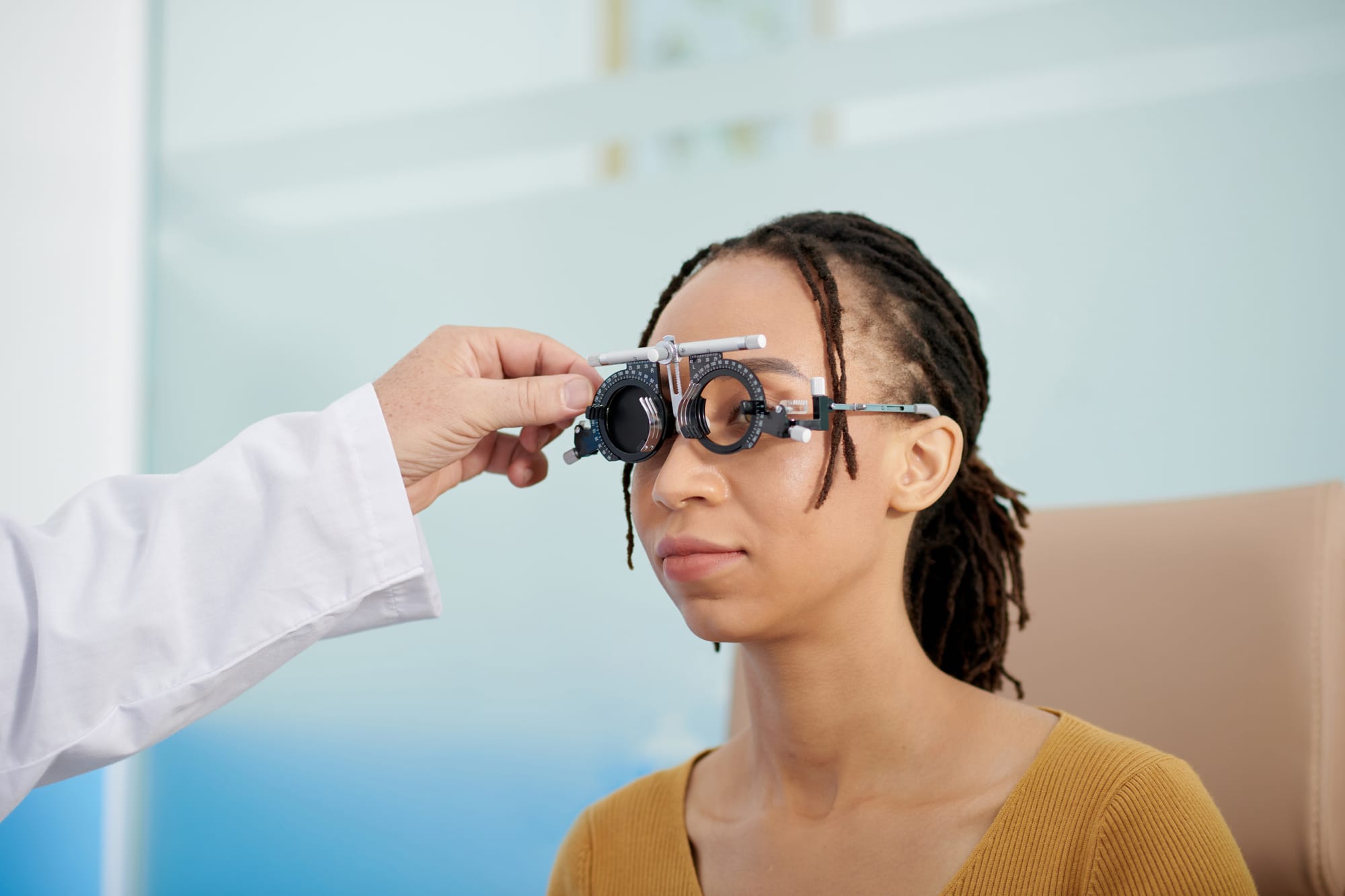
Many people live with constant headaches, vision problems, dizziness, or anxiety in busy environments. Dealing with these symptoms, they often never realize their eyes might be slightly misaligned. This subtle imbalance, known as Binocular Vision Dysfunction (BVD), can make daily life feel harder than it should.
BVD affects about 1 in 5 people, yet it’s often overlooked or mistaken for other conditions. This page will help you recognize its common symptoms. You’ll also learn about what causes BVD and explore effective treatment options that can bring lasting relief.
What Is Binocular Vision Dysfunction ?
To see clearly, both eyes must work together in perfect coordination. “Binocular” refers to using both eyes at once. “Dysfunction” means this visual teamwork is slightly off.
When your eyes don’t line up exactly, the brain receives two conflicting images and struggles to merge them into one clear picture. Not only are your eyes miscommunicating with each other, but they’re also failing to send proper signals to your brain.
To counteract these discomforting symptoms, the body instinctively overuses its eye muscles in an attempt to reestablish proper alignment. This repetitive misalignment and realignment process creates a cycle of strain, contributing further to the development of common BVD symptoms.
As a result, individuals with BVD often experience headaches from eye strain, dizziness, blurred or double vision, neck pain, and light sensitivity.
Over time, the brain’s overcompensation can also cause fatigue, anxiety symptoms, and balance issues. BVD often results from eye muscle issues or facial asymmetry, and can even develop after a stroke, traumatic brain injury, or concussion.
Why BVD Is Often Missed
Standard eye exams measure how well you see, not how well your eyes align.
Because eye misalignment in BVD is so subtle, many patients are told their vision is “normal.” BVD symptoms can mimic other common eye conditions or even systemic health issues, which makes getting a BVD diagnosis difficult.
Headaches, eye strain, dizziness, and vision problems, among others, can be mistakenly attributed to factors like fatigue or the need for a new eyeglass prescription.
It gets more complicated because these symptoms may fluctuate or worsen, depending on the visual task you’re doing. So, many often go without an accurate diagnosis.
Without a specialized evaluation, the real issue goes unnoticed, leaving you searching for answers and never finding the right solution.
Eye misalignment causes many individuals suffering from BVD to endure a frustrating journey of consultations with all types of healthcare providers before they get an appropriate diagnosis.
That’s why we at NeuroVisual Medicine believe it is essential for medical professionals to better understand the signs and symptoms of BVD. Early recognition and proper diagnosis are crucial for providing timely and effective interventions for BVD patients who are suffering and need relief.
Curious if you have Binocular Vision Dysfunction? Take the assessment to get your score and get relief.
Common BVD Symptoms

While no two experiences are identical, patients with BVD often share several frustrating and confusing symptoms. Below are some of the most common ones we see that lead people to seek help:
Double Vision
One of the hallmark symptoms of Binocular Vision Dysfunction is double vision, where a single object appears as two separate images. This can be disorienting and make tasks such as reading or driving challenging.
Blurred Vision
Blurry vision is another frequent symptom of BVD, where objects may appear unclear or out of focus. This can lead to excessive eye strain and difficulty in discerning fine details.
Headaches and Eye Pain
Persistent headaches, especially around the temples or forehead, are a common complaint among BVD sufferers. These headaches may worsen with prolonged visual tasks, such as reading or using a screen. Some may even be diagnosed with a migraine disorder.
Light Sensitivity
Individuals with BVD may experience a heightened sensitivity to light due to the extra effort their eyes exert to maintain alignment. This sensitivity can lead to things like:
- Discomfort or squinting in bright sunlight or fluorescent lighting
- Difficulty adjusting between light and dark environments
- Eye fatigue after prolonged screen exposure or harsh indoor lighting
- A preference for dimmer environments
- Trouble with bright headlights when driving at night
Eye Strain and Fatigue
Due to the constant effort required to realign the eyes, individuals with BVD often experience significant eye strain, which typically causes discomfort and headaches.
When your eye muscles are repeatedly working overtime, it can wear you out, leading to overall fatigue and making everyday tasks feel more difficult.
Head Tilt and Neck Pain
In an attempt to alleviate double vision or visual discomfort caused by misalignment, some people naturally tilt their heads to position their eyes in a way that reduces the disparity between the images seen by each eye.
While this head tilt may temporarily ease symptoms, it can lead to neck strain and shoulder tension, making it another significant indicator of BVD.
Dizziness and Vertigo
Some individuals with BVD may experience sensations of dizziness or vertigo, as the brain struggles to process conflicting visual information from the misaligned eyes. In everyday life, this can look like:
- Feeling off-balance, lightheaded, or unsteady when walking or driving
- Sudden vertigo sensations in crowded spaces, grocery store aisles, or while turning your head
- Experiencing nausea or motion sickness during visual tasks or while reading in cars
- Feeling like the room is spinning or the ground below you is moving
Discover more about how eye strain and vertigo are linked and can have a significant impact on BVD patients.
Difficulty Reading and Concentrating
BVD can hinder reading comprehension as words may appear to move, merge, or become distorted on the page. People also often complain of getting headaches when reading. This condition can also affect one’s ability to concentrate, particularly during activities that require sustained focus, such as reading, using a computer, or watching TV.
Anxiety and Frustration
Living with constant visual discomfort can be exhausting, often leading to frustration, anxiety, and a noticeable impact on your quality of life. Getting a proper diagnosis and treatment can go a long way in helping you reclaim your sense of normalcy and be fully present in everyday life.
Motion Sickness
Many people with BVD experience motion sickness, feeling nauseous or uneasy during car rides, boat trips, flights, or other activities that involve motion.
Spatial Awareness and Balance Problems
Some individuals with BVD may struggle with balance or coordination, often feeling unsteady on their feet or even at a greater risk of stumbling or falling.
Misaligned vision can also lead to problems with poor depth perception and spatial awareness, making tasks like judging distances or navigating obstacles more challenging.
This can lead to people tripping, bumping into things, losing their balance, and hurting themselves.
An Important Note:
The severity and combination of these symptoms can vary from person to person. If you suspect you may have BVD or are experiencing any of these symptoms, it is advisable to seek evaluation and guidance from a qualified eye care specialist.
Early diagnosis and appropriate treatment can significantly improve your visual comfort and quality of life. Read patient stories to see how their relief began with a simple evaluation.
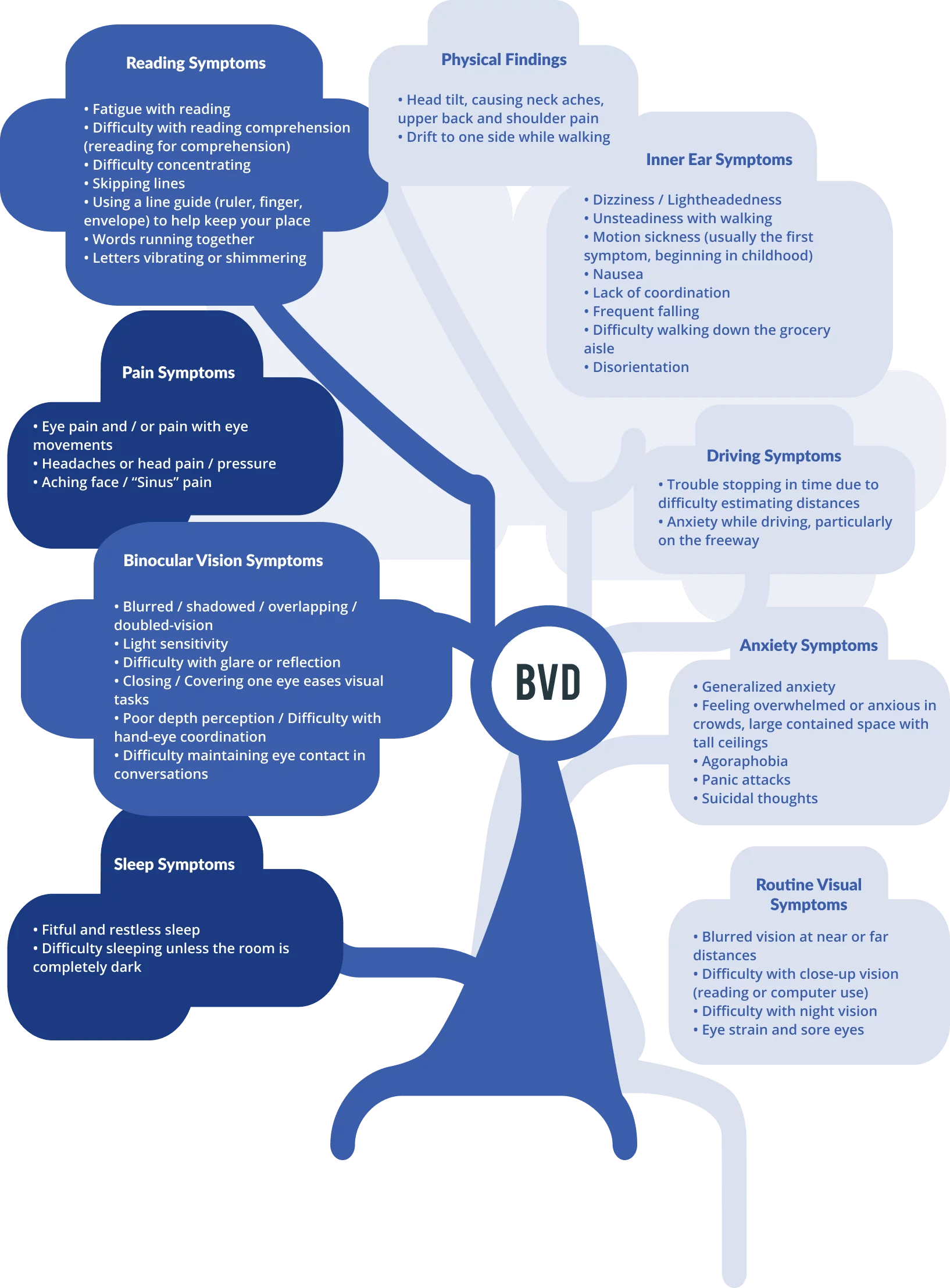
Here’s a more in-depth look at common symptoms associated with BVD:
Curious if you have Binocular Vision Dysfunction?
Take the assessment to get your score and get relief.
Learn moreHow BVD Is Diagnosed By Eye Doctors
Because Binocular Vision Disorder symptoms overlap with so many other conditions — migraines, inner ear disorders, ADHD, or even anxiety — it often goes unnoticed for years. That’s why specialized testing is critical.
The NeuroVisual Evaluation

At NeuroVisual Medicine, diagnosis begins with a NeuroVisual Evaluation, a highly detailed exam that detects even the smallest eye misalignments that standard tests may overlook. Using advanced measurement technology, our specialists assess how your eyes move, align, and work together.
Unlike routine eye exams, this evaluation:
- Focuses on eye alignment and binocular coordination, not just clarity of sight
- Comprehensively assesses how well the brain and eyes work together
- Is comfortable, precise, and patient-friendly, designed to bring answers rather than more confusion
Most importantly, many patients leave with a clear understanding of what’s happening and a plan to help them feel better.
BVD Treatment Options

Treatment for Binocular Vision Dysfunction focuses on restoring proper eye alignment, easing the brain’s effort to maintain balance, and alleviating uncomfortable symptoms. At NeuroVisual Medicine, we make care personalized and adaptive, built around your comfort and lifestyle.
Different forms of treatment include:
TheraLens® Microprism Lenses
Among the various treatment options available, micro-prism lenses have gained recognition as an effective way to alleviate the challenges associated with BVD.
Prism lenses are specialized eyeglass lenses that have the remarkable ability to alter the way light enters the eye. This helps the brain fuse images correctly and reduce BVD symptoms such as double vision, dizziness, eye strain, and spatial perception problems.
With custom-made micro-prism lenses, you can see a significant improvement in just one day. Adjustments are made as your eyes and brain adapt, resulting in a gradual yet steady return to normal comfort and function.
What To Expect During Your Evaluation
During a NeuroVisual Evaluation, you will undergo a thorough eye examination by an optometrist who specializes in binocular vision disorders trained by the NeuroVisual Medicine Institute.
They will measure the exact degree and direction of your misalignment. These results guide the precise prism prescription, which is then built into regular eyeglass frames, offering a comfortable, non-invasive treatment you can wear every day.
Most patients notice up to a 50% improvement in visual clarity and comfort as soon as they put on their lenses. While prism lenses aren’t a cure, they’re a highly effective way to manage BVD, restore normal binocular vision, and improve quality of life. For some, pairing lenses with vision therapy offers even greater long-term relief.
By realigning the eyes and reducing the brain’s workload, TheraLens® microprism lenses help patients see, read, and move through daily life with newfound comfort and confidence.
Learn more about prism glasses and how they differ from standard prescription lenses.
Vision Therapy for BVD
Vision therapy can also help strengthen the connection between your eyes and brain and improve BVD symptoms. It involves daily exercises (both in-office and at-home) guided by a trained optometrist to improve eye coordination and focus. Activities may include:
- Convergence and divergence exercises
- Near-to-far focusing tasks
- Visual-vestibular integration training (enhances coordination between your eyes and inner ear)
- Interactive visual tasks such as computer-based games or puzzles
Note that if consistent therapy sessions aren’t realistic or haven’t led to relief, microprism lenses may be a more approachable option, providing immediate alignment support without the need for extensive training time.
Integrated Care & Follow-Up
Your comfort is our top priority. After your evaluation, you’ll begin a clinician-guided treatment plan with your local NeuroVisual specialist for lens refinements, follow-up exams, and progress tracking. This ensures your treatment continues to evolve with your needs and effectively delivers long-term improvement and stability.
Living with Relief: What to Expect After BVD Treatment

When your vision is aligned, your life is, too.
After treatment, many patients describe the change as “life-changing.” They can finally read, drive, and move through the world without the constant fog of strain or dizziness.
You may notice a calmer sense of balance, fewer headaches, and sharper focus in daily tasks. Simple things, like reading a book or browsing through a store, feel easier and more natural again.
This isn’t just about clearer vision. It’s about reclaiming confidence, comfort, and control over your day. Over 50,000 patients have already experienced this kind of lasting relief through the proven NeuroVisual approach. Many report improvements that begin instantly and continue to build as the eyes and brain adapt.
As with any vision-related concern, it is crucial to consult with an eye care professional for a comprehensive assessment and personalized treatment plan tailored to your specific needs.
NeuroVisual Medicine Provides Effective BVD Treatment
If you suspect you may have Binocular Vision Dysfunction, the BVDQ™ Assessment can help you find an answer to the symptoms you’re suffering from.
Frequently Asked Questions About BVD Symptoms & Treatment
Double vision (seeing two of one object) is one possible symptom of Binocular Vision Dysfunction.
BVD involves subtle misalignment between the eyes that may cause double vision, dizziness, or headaches, but only about 30% of people with BVD experience double vision.
Absolutely. Tasks that require focus and depth perception, like driving, reading signs, or walking in busy areas, can feel disorienting. After treatment, patients frequently report steadier balance and greater confidence behind the wheel.
Through the NeuroVisual Evaluation, which uses advanced tools to detect minute misalignments that standard exams often miss. This process provides measurable results, so you understand exactly what’s happening and how treatment will help.
TheraLens® microprism lenses are the most common and effective option, offering gentle realignment and same-day comfort for many patients. Vision therapy can also be helpful, especially in combination with prescription lenses.
BVD can be managed effectively and improved, but it is not considered a curable condition. Ongoing monitoring and lens refinements help maintain alignment and prevent symptom recurrence, allowing you to live with lasting comfort and clarity.
If your assessment indicates that you may have BVD, a NeuroVisual Medicine specialist can conduct a NeuroVisual Evaluation to prescribe prism lenses that can help alleviate your symptoms and improve your quality of life.
Curious if you have Binocular Vision Dysfunction? Take the assessment to get your score and get relief.
