
A neuro optometrist is a specialized eye doctor who focuses on how the visual system and brain work together, going far beyond what a routine eye exam can detect. While standard optometry measures how clearly you see, neuro optometry evaluates how efficiently your eyes coordinate, align, and process information.
When the eyes do not work together properly, it can lead to symptoms that affect daily life. Many people experience headaches, dizziness, eye strain, or difficulty concentrating without realizing the problem may be related to vision.
A neuro-optometrist evaluates these complex visual issues and identifies conditions that may not appear during a routine eye exam. One of the most common conditions they help diagnose is binocular vision dysfunction (BVD), a subtle eye misalignment that can cause a wide range of neurological symptoms.
In this guide, you will learn what a neuro-optometrist does, the conditions they diagnose and treat, and how they differ from neuro-ophthalmologists. You will also learn when it may be helpful to see a neuro-optometrist if you suspect symptoms related to binocular vision dysfunction.
What Does a Neuro Optometrist Do?
A neuro-optometrist focuses on the relationship between the visual system and the brain. Their work centers on how the eyes move, align, and process information.
Rather than only measuring how clearly you see letters on an eye chart, neuro-optometrists evaluate how efficiently the visual system functions during everyday activities such as reading, walking through busy environments, or working on a computer.
These evaluations often involve specialized testing that looks at how both eyes work together and how the brain interprets visual input.
A neuro-optometrist may evaluate:
- Eye alignment: Whether the eyes are properly aligned when focusing on objects
- Binocular vision: How well the eyes coordinate and work together as a team
- Eye movement and tracking: How smoothly the eyes follow moving objects or lines of text
- Depth perception: The ability to judge distance accurately
- Visual processing: How the brain interprets and responds to visual information
If issues are identified, a neuro-optometrist may recommend treatment approaches that address the underlying visual problem rather than only managing symptoms.
How Does a Neuro-Optometrist Diagnose BVD?
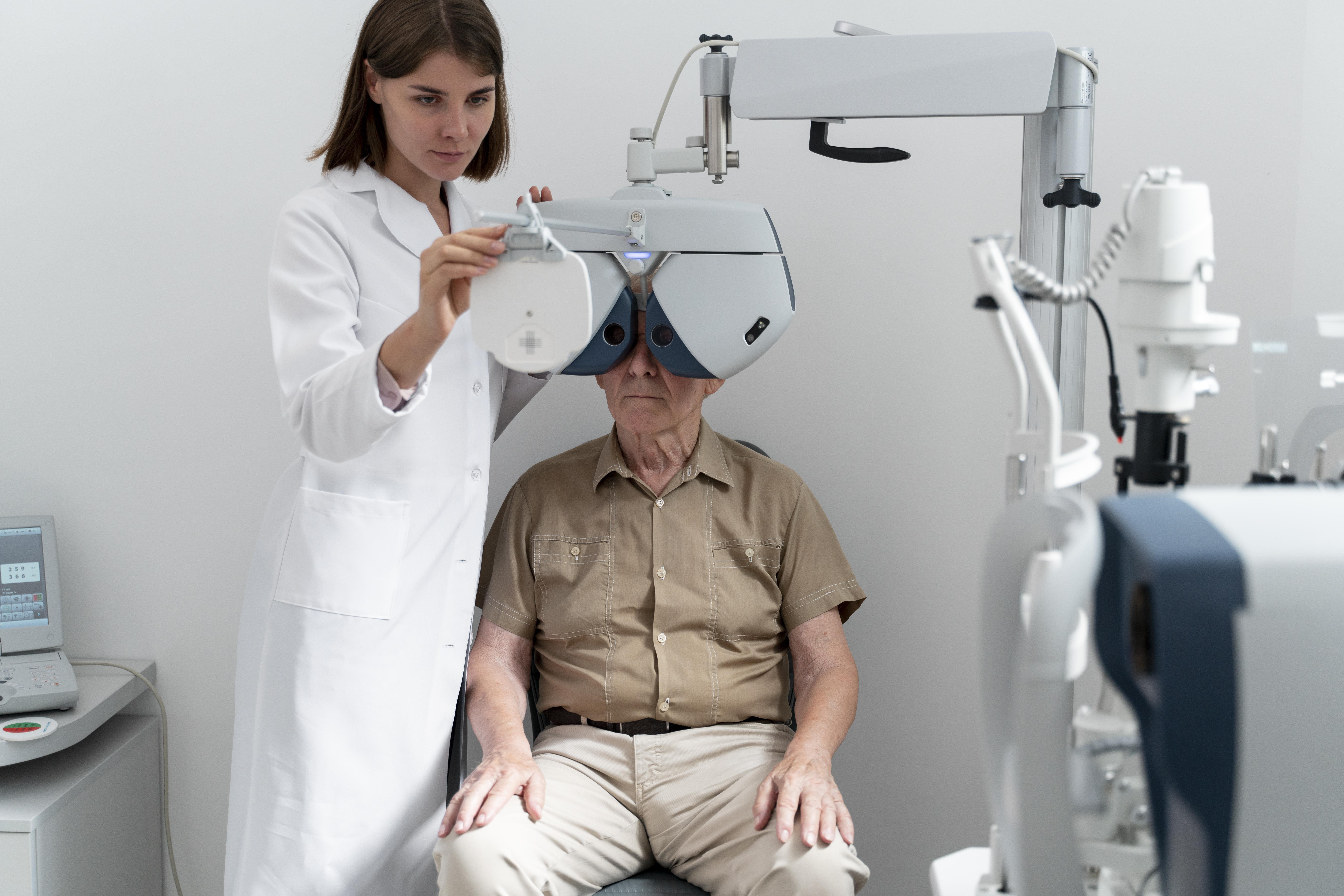
Standard eye exams measure visual acuity (the familiar letter chart), but they do not test for the subtle misalignments that cause BVD. A neuro-optometrist uses a different set of diagnostic tools designed to reveal how the eyes perform as a coordinated system under real-world demands.
A comprehensive neuro-optometric evaluation may include:
- Cover test and alternate cover test: Identifies horizontal and vertical misalignments
- Near point of discomfort testing: Evaluates how well (and how comfortably) the eyes converge for close-up tasks
- Binocular vision assessment: Measures how the brain merges images from both eyes
- Smooth pursuit and saccade testing: Evaluates eye movement control
- Maddox rod and prism bar evaluation: Measures the degree of misalignment and determine prism correction
- Symptom questionnaires (such as the BVDQ): Correlates visual findings with reported symptoms
The results of these tests allow the neuro-optometrist to determine whether prism lenses — specifically microprism lenses calibrated to the individual’s misalignment — may reduce the visual strain driving the patient’s symptoms.
Conditions a Neuro Optometrist Can Diagnose and Treat
Neuro-optometrists work with a range of visual conditions that involve coordination between the eyes and the brain. Many of these problems affect daily activities such as reading, driving, or navigating busy environments.
Common conditions treated by a neuro optometrist include:
- Binocular Vision Dysfunction (BVD): A small misalignment of the eyes that forces the brain to work harder to combine images from both eyes. This can lead to headaches, dizziness, anxiety, neck pain, and difficulty focusing.
- Convergence insufficiency: A condition where the eyes struggle to work together when focusing on near tasks such as reading or using a phone.
- Post-concussion vision problems: Visual symptoms that develop after traumatic brain injury or concussion, including blurred vision, dizziness, and difficulty with visual tracking.
- Eye tracking disorders: Difficulty following moving objects or maintaining place while reading.
- Double vision (diplopia): Seeing two images instead of one due to eye alignment or neurological issues.
- Visual motion sensitivity: Discomfort or dizziness triggered by motion in the surrounding environment, such as scrolling screens or busy stores.
- Vertical heterophoria: A type of binocular vision dysfunction where one eye is slightly higher than the other, causing the eyes to send misaligned images to the brain. This can lead to symptoms such as headaches, dizziness, neck pain, anxiety, and difficulty with balance or reading.
Many people live with these symptoms for years before discovering that a visual misalignment may be contributing to their discomfort.
Neuro Optometrist vs Neuro Ophthalmologist
Neuro-optometrists and neuro-ophthalmologists both specialize in conditions that affect vision and the nervous system. However, their training and focus areas are different.
Understanding the difference can help you determine which type of specialist may be appropriate for your symptoms.
What Is a Neuro Ophthalmologist?
A neuro-ophthalmologist is a medical doctor who specializes in neurological diseases that affect vision. These specialists typically complete medical school, followed by training in ophthalmology and additional fellowship training in neuro-ophthalmology.
Their work often focuses on diagnosing and managing conditions related to the optic nerve, brain, and nervous system.
Neuro-ophthalmologists commonly evaluate conditions such as:
- Optic neuritis
- Vision changes related to stroke
- Brain tumors affecting vision
- Multiple sclerosis affecting the optic nerve
- Unexplained vision loss linked to neurological disease
They may order imaging studies such as MRIs or coordinate care with neurologists and other medical specialists.
Key Differences Between a Neuro Optometrist and a Neuro Ophthalmologist
Although both specialists work with neurological vision issues, their areas of focus differ.
- Training: Neuro-optometrists are optometrists with specialized training in functional vision and visual processing. Neuro-ophthalmologists are medical doctors who specialize in neurological diseases affecting vision.
- Focus of care: Neuro-optometrists focus on how the eyes work together and how visual information is processed. Neuro-ophthalmologists focus on diagnosing neurological disease that affects the visual system.
- Common treatments: Neuro-optometrists often use specialized lenses, prism lenses, or visual therapies to improve visual function. Neuro-ophthalmologists may prescribe medications, order neurological testing, or treat medical conditions affecting vision.
In some cases, patients may see both specialists depending on the underlying cause of their symptoms.
Signs You May Need To See a Neuro Optometrist
Many symptoms associated with visual misalignment are not immediately recognized as vision-related. People may visit multiple healthcare providers before learning that the visual system could be contributing to their symptoms.
You may benefit from seeing a neuro-optometrist if you experience:
- Frequent headaches or migraines
- Dizziness or balance problems
- Eye strain during reading or screen use
- Difficulty concentrating while reading
- Anxiety in crowded or visually busy environments
- Double vision or blurred vision
- Trouble judging distances or depth
- Disorientation in grocery stores or large spaces
These symptoms can sometimes occur when the eyes are slightly misaligned, forcing the brain to work harder to merge the images from both eyes.
Why a Neuro Optometrist May Help With Binocular Vision Dysfunction (BVD)
Binocular vision dysfunction occurs when the eyes are slightly misaligned and struggle to work together as a coordinated team. Even small misalignments can place strain on the visual system.
Because the brain relies heavily on visual information to understand the environment, these alignment problems can lead to symptoms throughout the body.
Neuro-optometrists use specialized testing to identify subtle eye misalignments that may not appear during a standard eye exam. Once identified, treatment may involve precision prism lenses for BVD that help align visual input and reduce the strain on the brain.
NeuroVisual® Medicine focuses on identifying and treating these types of visual misalignment. The NeuroVisual® approach uses detailed diagnostic evaluations and precision microprism lenses to realign vision and reduce symptoms associated with BVD.
What Does Treatment Look Like?
Treatment for binocular vision dysfunction frequently does not involve surgery. The primary approach used by neuro-optometrists is precision prism lenses. These lenses shift the image to help the brain see one single image and reduce the demand placed on the brain’s visual processing systems. For many patients, symptoms begin to improve within days to weeks of wearing the lenses. Follow-up evaluations are used to refine the prescription as the visual system adapts. Vision therapy exercises may also be incorporated in some cases to strengthen coordination between the eyes.
How To Know If Your Symptoms May Be BVD
Symptoms of binocular vision dysfunction often overlap with other conditions. People may be told their symptoms are related to migraines, anxiety, vestibular disorders, or stress.
While those conditions can also contribute to symptoms, subtle visual misalignment may sometimes be part of the picture.
Standard eye exams typically focus on visual acuity, or how clearly you see letters on a chart. They may not include the specialized testing required to detect small eye alignment issues.
If you experience ongoing symptoms such as headaches, dizziness, difficulty reading, or discomfort in busy environments, it may be helpful to explore whether a visual misalignment could be involved.
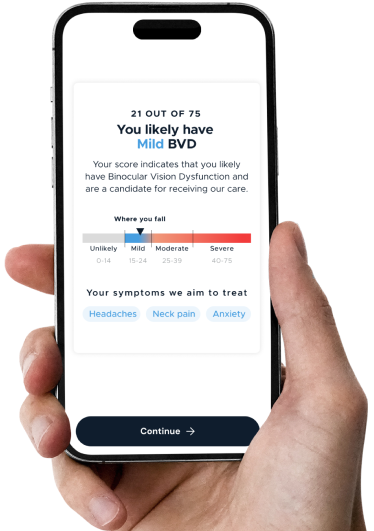
One way to start is by taking a short BVD assessment that evaluates common symptoms associated with binocular vision dysfunction.
Find a Neuro Optometrist Near You
If your symptoms may be related to binocular vision dysfunction or other neurological vision issues, finding a neuro optometry provider near you may help identify the underlying cause.
Neuro-optometrists use specialized testing to evaluate how the eyes and brain work together and determine whether visual misalignment could be contributing to symptoms.
Taking a BVD assessment is often the first step. The results can help determine whether your symptoms match common patterns associated with binocular vision dysfunction and guide you toward a trained provider who can perform a full evaluation.
FAQs
What is a neuro optometrist?
A neuro-optometrist is an eye doctor who specializes in how the visual system interacts with the brain. They evaluate issues related to eye alignment, visual processing, and binocular vision.
What conditions does a neuro optometrist treat?
Neuro-optometrists diagnose and treat conditions such as binocular vision dysfunction, convergence insufficiency, eye tracking disorders, double vision, and visual symptoms that occur after concussion or brain injury.
What is the difference between a neuro optometrist and a neuro ophthalmologist?
A neuro-optometrist focuses on functional vision problems and how the eyes work together. A neuro-ophthalmologist is a medical doctor who specializes in neurological diseases that affect vision.
When should you see a neuro optometrist?
You may benefit from seeing a neuro-optometrist if you experience headaches, dizziness, eye strain, reading difficulty, double vision, or discomfort in visually busy environments.
Can a neuro-optometrist treat binocular vision dysfunction?
Yes. Neuro-optometrists often diagnose and treat binocular vision dysfunction using specialized testing and treatment methods such as prism lenses.
Do you need a referral to see a neuro optometrist?
In many cases, you can schedule an appointment directly with a neuro-optometrist. Some insurance plans may require a referral, depending on your coverage.
Can vision problems cause dizziness or headaches?
Yes. When the eyes are misaligned or struggling to work together, the brain may experience visual strain that contributes to headaches, dizziness, and fatigue.
How do neuro optometrists test for eye alignment problems?
Neuro-optometrists use specialized diagnostic tests to evaluate eye alignment, binocular coordination, depth perception, and visual processing. These tests help identify subtle misalignments that may not appear in a routine eye exam.