
A dull ache or tightness behind your eyes is easy to recognize, but it can be hard to pin down why it’s happening. This kind of pressure behind the eyes can stem from something minor and temporary, or it can be a sign that your eyes and body are working harder than they should. Here’s how to make sense of it, and when it’s worth getting checked out.
Pressure Behind Eyes: 7 Causes and Treatment Options


Reviewed by Mark Rosner, MD
Published: Oct 15, 2026
Understanding Pressure Behind Eyes and Its Impact on Daily Life
Pressure behind the eyes can make it hard to focus on screens, finish reading a page, or get through detailed work without losing your place. For some, the discomfort is a background annoyance. For others, it’s enough to derail a workday or force a break from tasks that once felt routine.
When uncomfortable symptoms come with this pressure, everyday tasks like driving or being in a crowded room can feel harder than they should. The strain of migraines, nausea, or vertigo and pressure behind eyes can make daily life unnecessarily difficult.
At the NeuroVisual Medicine Institute we know that understanding the potential causes and appropriate treatments is essential for managing this discomfort effectively.
Below, we discuss seven common causes of eye pressure and explore their treatment options.
Curious if you have Binocular Vision Dysfunction?

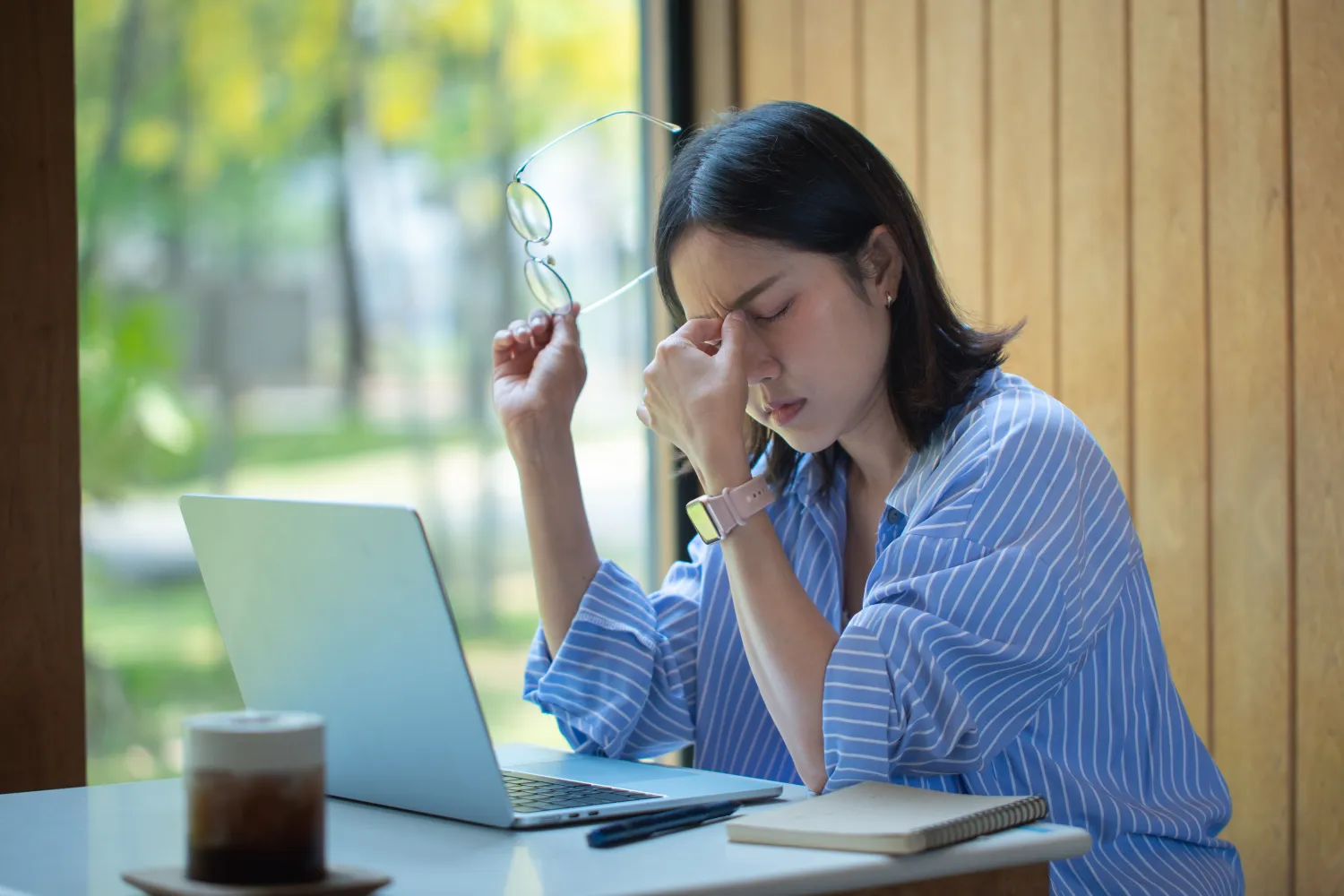
What Causes Pressure Behind Eyes? 7 Potential Sources
There are many triggers of pressure behind the eyes to consider. Here are seven of the most common causes and their treatment options.
1. Sinus Infection (Sinusitis)
Sinusitis, an inflammation of the sinuses, is a common contributor to pressure behind the eyes. This condition arises due to blocked sinuses, which can result from infections, allergies, or autoimmune responses. The blockage leads to mucus accumulation and subsequent pressure, which can cause sinus pressure behind eyes and manifest as throbbing pain or tension headaches.
2. Migraines
Migraines are severe headaches characterized by a pulsating sensation and severe pain. These headaches and pressure behind eyes can also trigger nausea, vomiting, blurry vision, and an extreme sensitivity to light and sound. These effects can significantly impair one’s quality of life.
3. Eye Strain
In the digital era, eye strain is prevalent, driven by prolonged screen exposure. Symptoms typically include dryness, blurred vision, and a feeling of pain behind the eye.
4. Binocular Vision Dysfunction (BVD)
BVD occurs when there is a misalignment of the eyes. This can require significant effort from the eye muscles to maintain focus, leading to symptoms such as pressure behind the eyes, headaches, and dizziness. Neck pain is also common in individuals with BVD who tilt their heads in an attempt to offset the misalignment. BVD can be subtle, and typical eye exams may miss its signs. Working with a specialist can help determine whether BVD is the cause of the pressure behind your eyes.
5. Thyroid Eye Disease
Associated primarily with hyperthyroidism (overactive thyroid gland), thyroid eye disease causes inflammation that leads to discomfort, eye bulging, and sharp pain behind the eyes.
6. Optic Neuritis
Optic neuritis involves inflammation of the optic nerve and is often linked with autoimmune disorders such as multiple sclerosis. It can cause pain, pressure behind the eye, and partial or complete vision loss.
By understanding these conditions and their treatments, individuals who feel pressure behind the eyes can take informed steps toward relief and better eye health. Always consult with healthcare professionals to determine the most appropriate course of action for your specific situation.
7. Jaw Problems (TMJ Disorders)
Your jaw joints sit just in front of your ears, and problems there can cause pain that spreads across your face and to your eyes. TMJ disorders can cause jaw or face pain, headaches, tooth pain, and neck or shoulder pain. Some people also feel pain in or around the eyes. Teeth grinding or clenching, a misaligned bite, and stress are common causes. If your eye pressure is accompanied by a sore or stiff jaw or by clicking when you chew, a dentist or doctor can check whether TMJ disorders may be the cause.
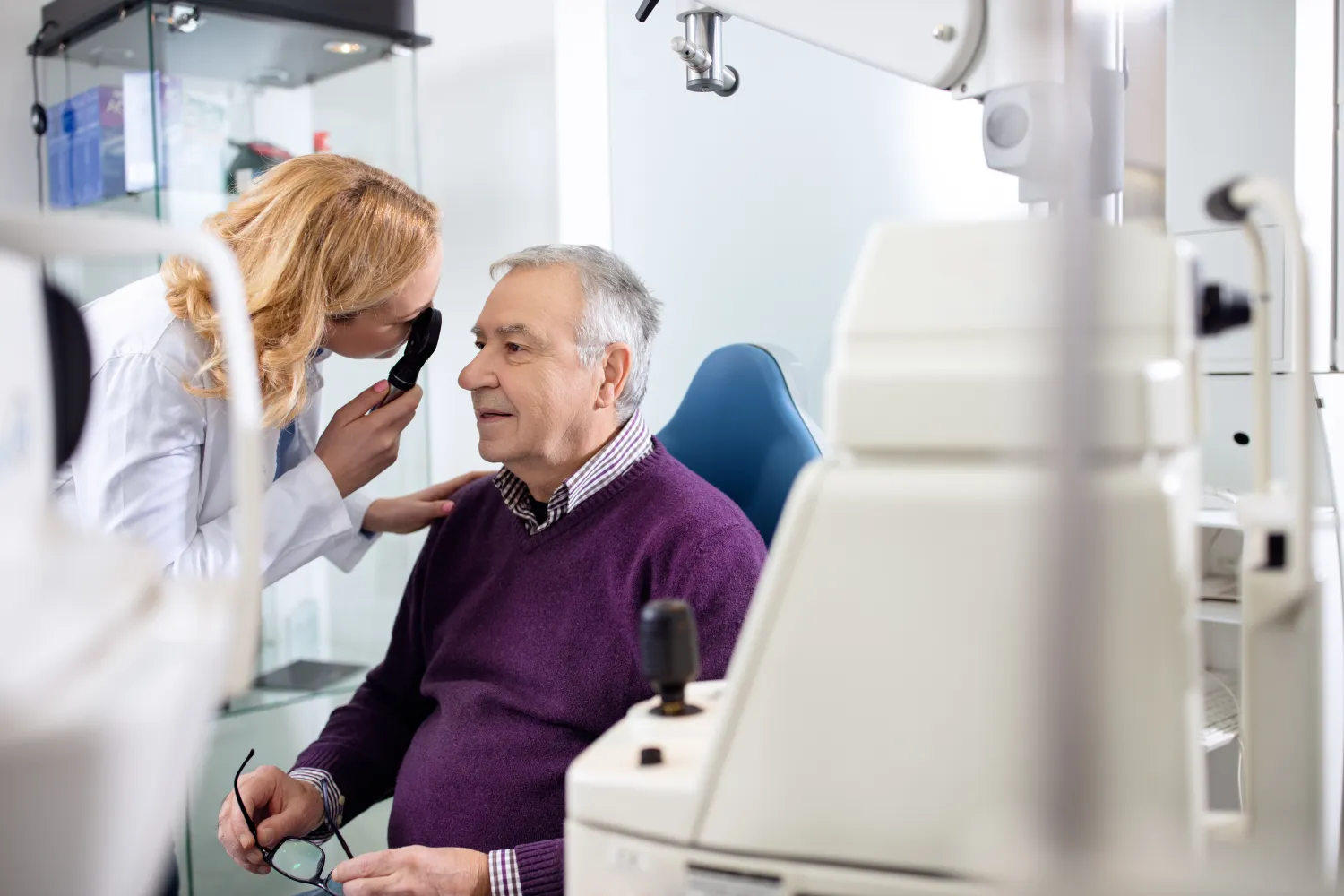
Diagnosis and Testing
People often self-treat this symptom with an over-the-counter pain reliever or eye drops for the pressure.
However, accurately diagnosing the cause of pressure behind the eyes is essential for effective treatment. This prevents months of discomfort and the need for temporary fixes.
A healthcare provider will typically begin with a comprehensive medical history and physical examination. They will focus on any associated symptoms such as headaches, vision changes, or sinus issues. Based on the suspected underlying condition, they may recommend specific diagnostic tests, including:
- Sinus Imaging: If sinusitis is suspected, a CT scan or X-ray of the sinuses can identify blockages or inflammation.
- Eye Examination: An optometrist or ophthalmologist may perform a thorough eye exam. It can include tests to measure intraocular pressure (tonometry) for glaucoma, assess eye alignment for BVD, and examine the optic nerve for signs of swelling or inflammation.
- Neurological Evaluation: For migraines or optic neuritis, a neurological examination may be necessary. This might include reflex testing and imaging, such as an MRI to check for abnormalities in the brain or optic nerve.
- Blood Tests: If thyroid eye disease is suspected, blood tests can measure thyroid hormone levels and confirm the diagnosis.
- Visual Field Test: This assesses peripheral vision and can help detect conditions like glaucoma or optic nerve damage.
- Specialized BVD Tests: If BVD is a concern, a binocular vision assessment can identify subtle misalignments that may require microprism lenses or vision therapy.
Timely diagnosis not only helps relieve the discomfort associated with pressure behind the eyes but also addresses any underlying conditions that may have broader health implications. Always consult a qualified healthcare professional for appropriate testing and personalized treatment recommendations.
Do your symptoms align with Binocular Vision Dysfunction?
Start the free assessment to get your score and get relief.
When Pressure Behind Eyes Is An Emergency
Not all eye pain is the same. It’s time to seek emergency care when:
- The pain is severe or comes on suddenly
- You have sudden vision loss or a rapid change in your vision
- Your pain is paired with a headache, fever, or increased sensitivity to light
- You have pressure behind the eyes and nausea or vomiting
- You notice bulging of the eye, an inability to move it normally, or a visible injury
- You recently had eye surgery or a procedure and are now in pain
If you are experiencing any of these symptoms, call 911. For symptoms that are milder or build up gradually, like a dull headache that comes and goes or pressure behind the eyes and dizzy spells, it’s still worth scheduling a visit with an eye doctor.

Treatment Options
There are various treatment options depending on the root cause of the eye pressure. We’ll cover the treatments for the seven possible causes of pressure behind the eye.
1. Sinus Infection (Sinusitis)
Effective management of sinus infections often involves over-the-counter pain relievers such as ibuprofen or acetaminophen to alleviate discomfort. Nasal decongestants and saline nasal sprays can also help to reduce swelling and clear mucus blockages. For bacterial infections, a healthcare provider may prescribe antibiotics. Additional remedies include using a humidifier to moisten the air, increasing fluid intake to help thin the mucus, and applying warm compresses to ease sinus pressure and eye pain.
2. Migraines
Managing migraines involves both preventative and acute interventions. Acute treatments include over-the-counter pain medications like ibuprofen, as well as prescription drugs such as triptans that specifically target migraine symptoms. Preventive medications, such as beta-blockers or antidepressants, can reduce the frequency and severity of migraine attacks. Lifestyle modifications, including regular exercise, a consistent sleep schedule, and dietary adjustments, also play a crucial role in managing migraine triggers.
3. Eye Strain
The 20-20-20 rule is an effective way to combat eye strain: every 20 minutes spent looking at a screen, shift your gaze to look at an object at least 20 feet away for a minimum of 20 seconds. Adequate lighting, reducing glare from screens, and ensuring your prescription for glasses or contacts is current are also vital. Regular use of artificial tears can also alleviate dryness associated with eye strain.
4. Binocular Vision Dysfunction (BVD)
Treatment for BVD typically starts with a specialized evaluation that pinpoints exactly how misaligned your eyes are. Then a custom pair of microprism lenses is prescribed. These glasses bend light slightly before it reaches your eyes, taking over the compensating work your eye muscles have been doing on their own.
It’s important to get the prism amount in your lenses correct, so treatment usually happens in stages. You’ll start with a lower prism power, your eyes adjust over a short period of time, and then your doctor fine-tunes the lens until the strain eases. Microprism glasses are a passive correction that can be more efficient and effective than vision therapy.
5. Thyroid Eye Disease
Addressing the underlying thyroid imbalance is critical. Medical treatment may include steroids to lessen inflammation or surgery in severe cases. Regular monitoring and treatment adjustments by both an endocrinologist and an ophthalmologist are important to manage this condition effectively.
6. Optic Neuritis
Medical professionals commonly prescribe corticosteroids to reduce inflammation and speed up recovery. For patients with underlying autoimmune disorders, specific treatments aimed at managing the autoimmune condition are essential to prevent recurrence and manage symptoms long-term.
7. Jaw Problems (TMJ Disorders)
Most people start with simple, nonsurgical care. Over-the-counter pain relievers like ibuprofen or acetaminophen can ease pain and swelling. A custom mouth guard or splint can help if you grind or clench your teeth. Physical therapy, better posture, and avoiding hard foods may also help. If symptoms don’t improve, a dentist or doctor can talk through other options.
When BVD May Be the Underlying Cause
Pressure behind the eyes can point to many conditions. But if it tends to show up or worsen during specific activities that demand more from how your eyes work together, that pattern is more typical of BVD.
Some examples of these visually demanding activities include:
- Reading
- Driving
- Working on a screen
- Following moving objects/playing sports
- Being in crowded or busy spaces
- Maintaining eye contact
- Low-light conditions
If you find your symptoms worsen during these activities, BVD may be behind your discomfort. Here’s how BVD compares with two other common causes of pressure behind the eyes:
| Sinus Infection | Eye Strain | BVD | |
|---|---|---|---|
| Where you feel it | Pressure around the eyes, cheeks, nose, or forehead | Sore, tired, burning, or itchy eyes | Pressure behind or around the eyes, often with headaches |
| What makes it worse | Bending over | Long stretches of screen time, reading, or driving | Tasks that ask your eyes to work together, like reading, driving, screens, or busy spaces |
| Other common signs | Stuffy nose, thick yellow or green mucus, changed sense of smell | Dry or watery eyes, blurred vision, light sensitivity | Dizziness, head tilt, feeling anxious in crowds or open spaces |
| What happens over time | Often clears up in a week to 10 days | Usually, it eases once you rest your eyes | Tends to come back with the same visual tasks |
| Who can help | Your doctor, if symptoms last more than a week or a fever won’t go away | An eye doctor, if rest and self-care don’t help | A NeuroVisual specialist, starting with the free BVDQ™ assessment |
Your symptoms may not fit neatly into one column, and that’s common. These overlapping causes are part of what makes BVD hard to spot.
“A lot of patients have already been told their eyes are fine. But a standard exam doesn’t always test how well the two eyes work together, which is where BVD hides.”
Dr. Mark Rosner, MD
If your pressure keeps coming back during everyday tasks, it may be worth checking how your eyes work together. The free BVD assessment takes about 7 minutes and can help you decide whether a NeuroVisual evaluation makes sense for you.

A NeuroVisual Medicine Specialist May Be Able to Help
If you’re experiencing unexplained pressure behind the eyes along with symptoms like dizziness, headaches, double vision, or difficulty reading, you may be suffering from BVD.
With a vetted network of 75+ locations across the U.S., Canada, and Australia, finding a specialist who understands BVD is easier than you might think. NeuroVisual Medicine has helped more than 50,000 patients find relief, with an average 80% improvement in symptoms within about 7.5 weeks.
Getting answers doesn’t have to mean more discomfort. NeuroVisual Medicine specialists are highly trained in diagnosing and treating this often overlooked condition. They use precise evaluation methods that most standard eye exams don’t include. NeuroVisual exams minimize dilation whenever possible. You’ll leave with a clear, written plan, not just a prescription.
Take the BVDQ™ Assessment to learn if BVD is the answer to your symptoms.
Pressure Behind Eyes FAQs
Pressure behind the eye can result from various causes, including sinus issues like infections or congestion, prolonged eye strain from screen use or reading, and migraines or headaches. It may also be linked to glaucoma, a condition involving increased intraocular pressure, or inflammation such as optic neuritis. Another possible cause is Binocular Vision Dysfunction (BVD), where misaligned eyes strain to focus, leading to discomfort.
Whatever the cause, being evaluated by a healthcare professional is the first step to finding relief.
You should be concerned about eye pressure if it is accompanied by other symptoms such as severe headache, nausea, vomiting, visual disturbances (like blurred or double vision), or pain. These symptoms could indicate a more serious condition like glaucoma, a stroke, or an eye infection. Additionally, if the pressure is persistent or worsening, it’s important to consult a healthcare professional for a proper diagnosis and appropriate treatment.
Not exactly.
Eye pressure, also called intraocular pressure, is the pressure from fluid inside the eyeball. This fluid is regularly produced and drained to keep pressure stable. However, in cases of glaucoma, fluid doesn’t drain properly, and pressure begins to build up inside the eye.
Pressure behind the eyes feels different. It can feel more like an ache around or behind the eye, often caused by conditions other than the eye’s internal fluid. In either case, seeing a medical professional for an eye exam can help determine the cause of your discomfort.
The fastest way to reduce eye pressure depends on the underlying cause. For immediate, temporary relief, you can try using prescribed eye drops, which are especially effective for conditions like glaucoma. Other methods include taking a break from screen time to relieve eye strain or applying a warm compress to alleviate sinus pressure. However, these methods should not replace professional medical advice, especially if the condition is chronic or severe. It is crucial to consult with an eye care professional for specific treatments tailored to your condition.
While it is uncommon, pressure behind the eyes can be a symptom of a brain tumor. This is particularly possible if the tumor is located near the optic nerve or if it increases intracranial pressure, leading to headaches and vision problems.
Other symptoms that might accompany a brain tumor include new-onset seizures, persistent headaches, personality changes, or neurological deficits like weakness or speech difficulties. If you experience these symptoms along with eye pressure, it’s critical to seek immediate medical attention for a thorough evaluation.
Binocular Vision Dysfunction (BVD) is a condition in which the eyes are slightly misaligned. This makes it difficult for the eyes to work together efficiently. Misalignment due to BVD can cause a variety of symptoms besides pressure behind the eyes:
- Double Vision
- Dizziness and Nausea
- Headaches
- Difficulty Reading
- Poor Coordination and Balance
- Motion Sickness
- Anxiety in Large Spaces or Crowds
- Tilting the Head or Closing One Eye
- Fatigue
- Light Sensitivity (Photophobia)
Do any of these symptoms sound familiar? Start the free BVD Assessment.
Drinking water in moderation supports overall eye health, but it does not significantly lower eye pressure. In fact, consuming large amounts quickly can temporarily raise intraocular pressure. For managing high eye pressure, follow your eye specialist’s prescribed treatments.
Pressure behind the eye can result from sinus issues, eye strain, migraines, glaucoma, or inflammation. It may also be linked to BVD, where misaligned eyes strain to focus, causing discomfort. If persistent or accompanied by vision changes or pain, consult a healthcare professional.
If you or someone you know is experiencing these symptoms, it’s important to consult an eye care professional who specializes in binocular vision for an accurate diagnosis and appropriate treatment.
Wondering if you have Binocular Vision Dysfunction?
Take the assessment to get your score and get relief.
